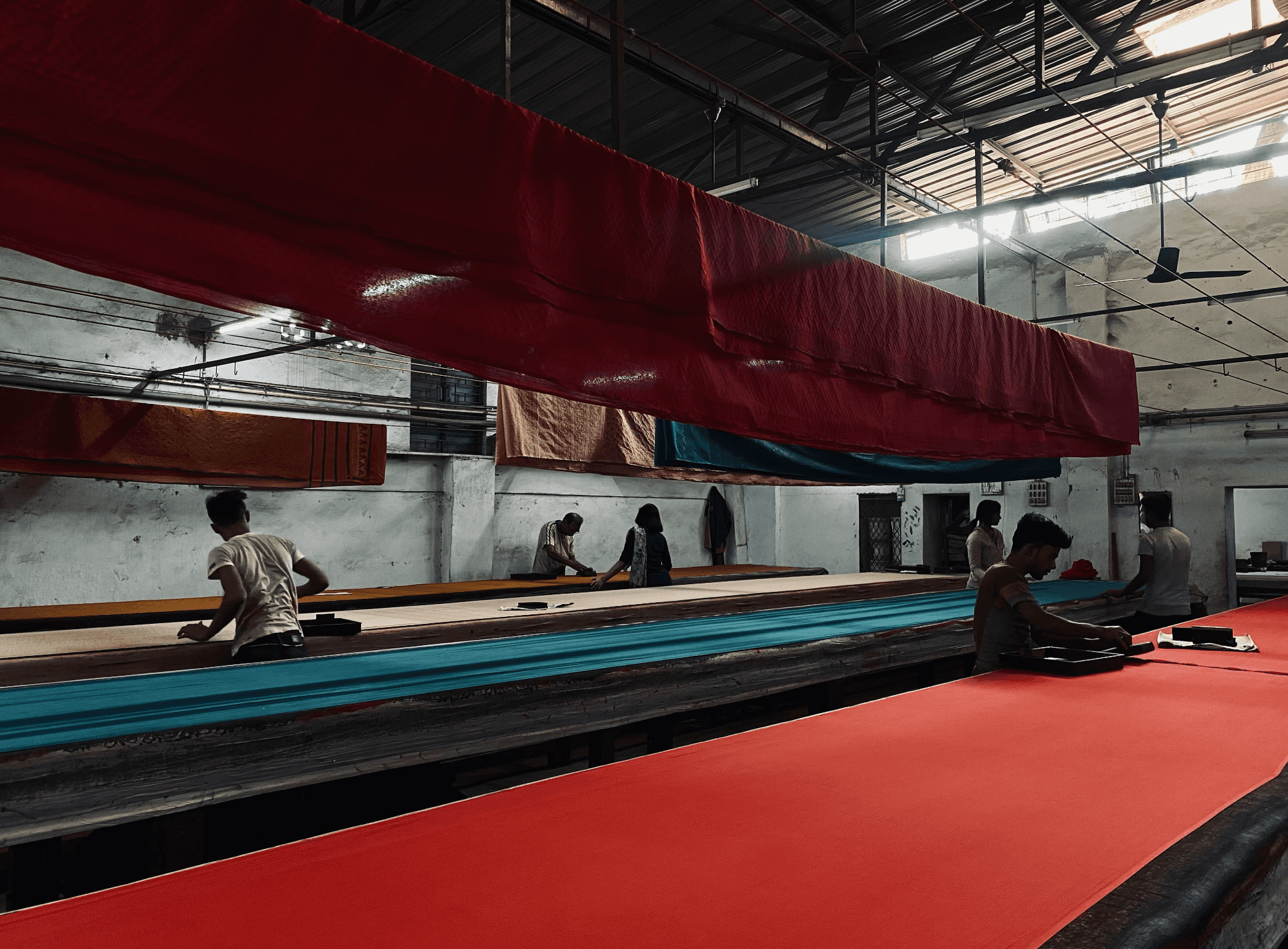
Pulse of the printing table
Understanding the life-world of a social group (block printers) through participant observation and engagement, with the aim of discovering sounds that are meaningful to the group.
ETHNOGRAPHY | QUALITIATIVE RESEARCH
ROLE
Ethnographic Researcher
DURATION
4 Months
LOCATION
Ahmedabad, India
METHODS
Ethnography, Human Behavioural Research
About the Project
This project involved immersive ethnographic research within a hand-block printing workspace to understand the lived experiences, social dynamics, and cultural identity of the printers.
Through repeated field visits, observation, participation, and informal conversations, the study examined how labour, sound, space, hierarchy, and aspiration shape everyday life within the unit.
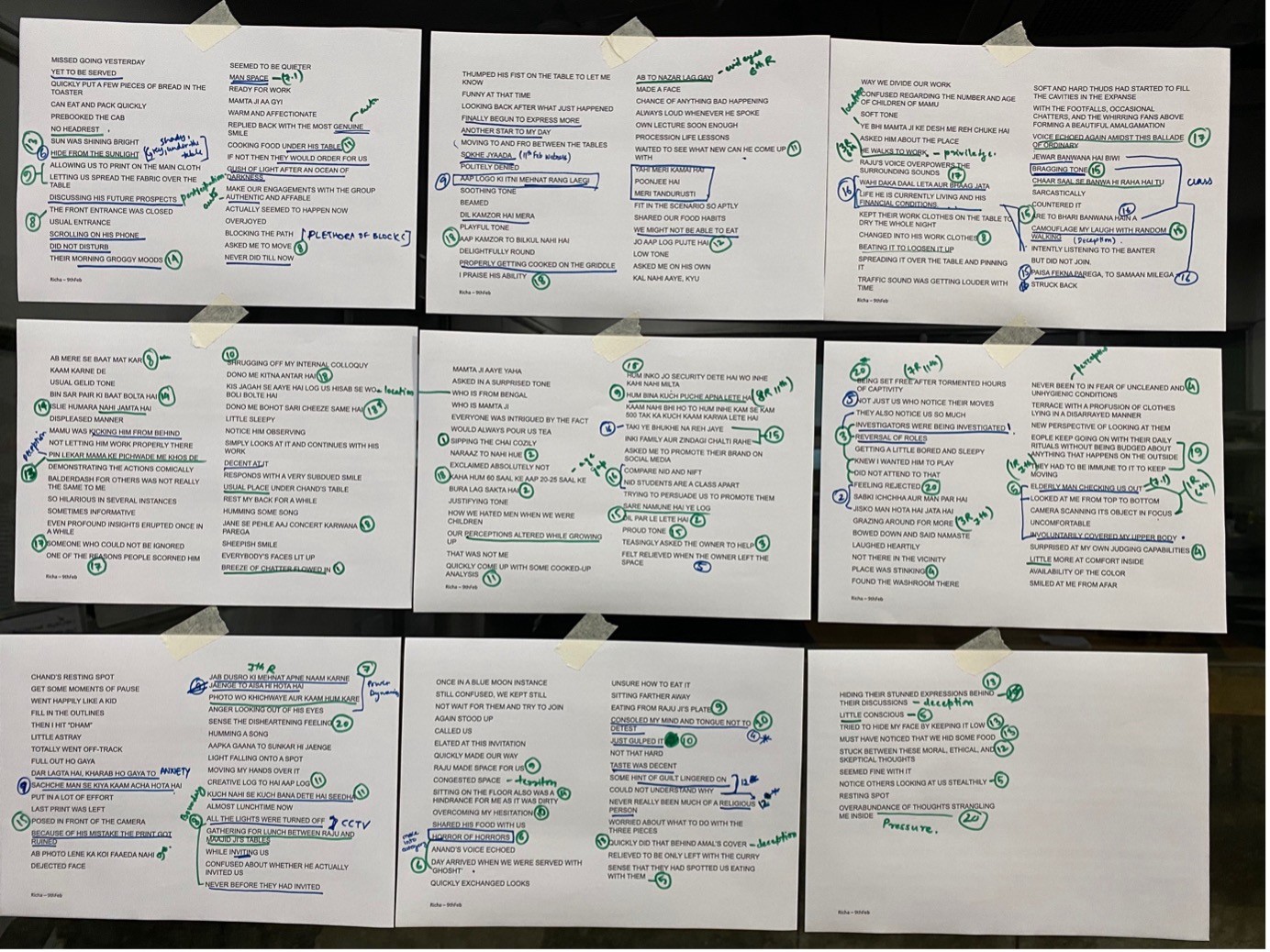
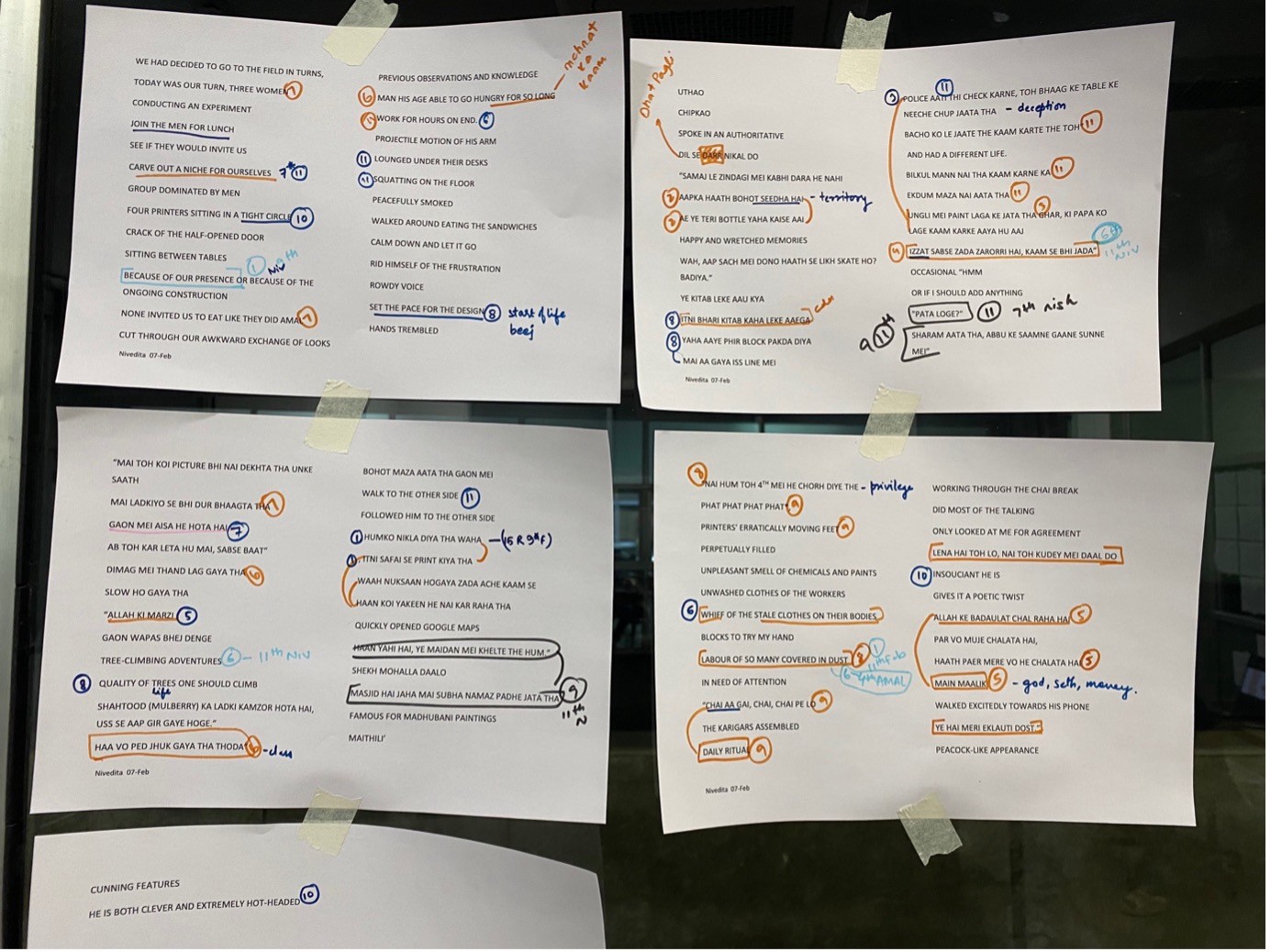
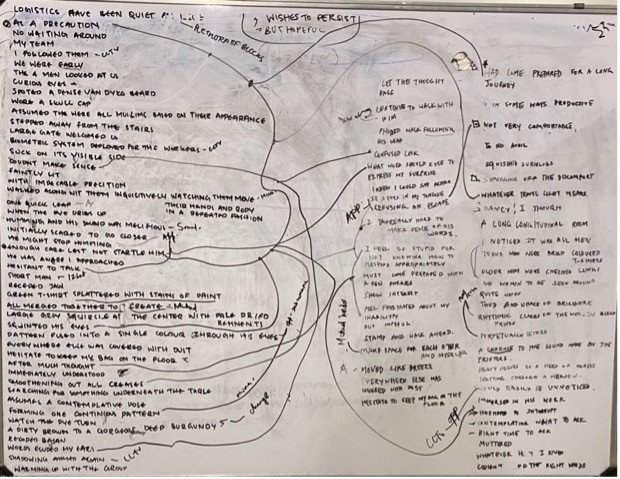
Insights were synthesized through open coding and reflection, balancing participant narratives with critical self-awareness as a researcher.
Methodology
What we did
Ethnographic fieldwork through repeated visits
Participant observation & informal interviews
Mapping social relationships, routines, and workspace dynamics
Open coding of transcripts and field notes
Reflexive analysis acknowledging researcher bias
Focus Areas
Daily rhythms of labour and repetition
Power, respect (izzat), and hierarchy within the group
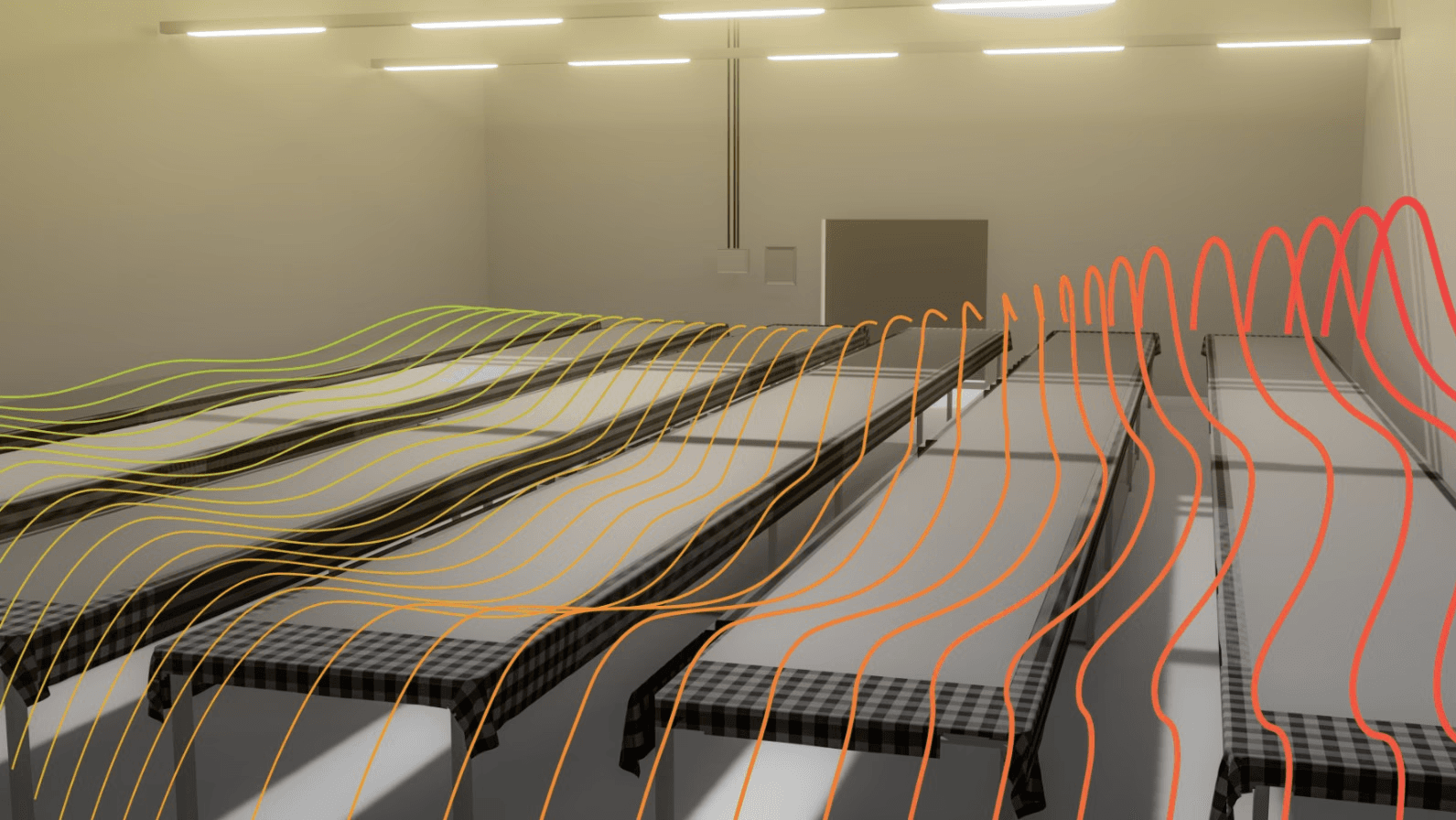
Sound as a marker of work, habit, and emotional states
Social roles, conflict, humour, and coping mechanisms
Spatial organisation of the workspace and its impact on behaviour
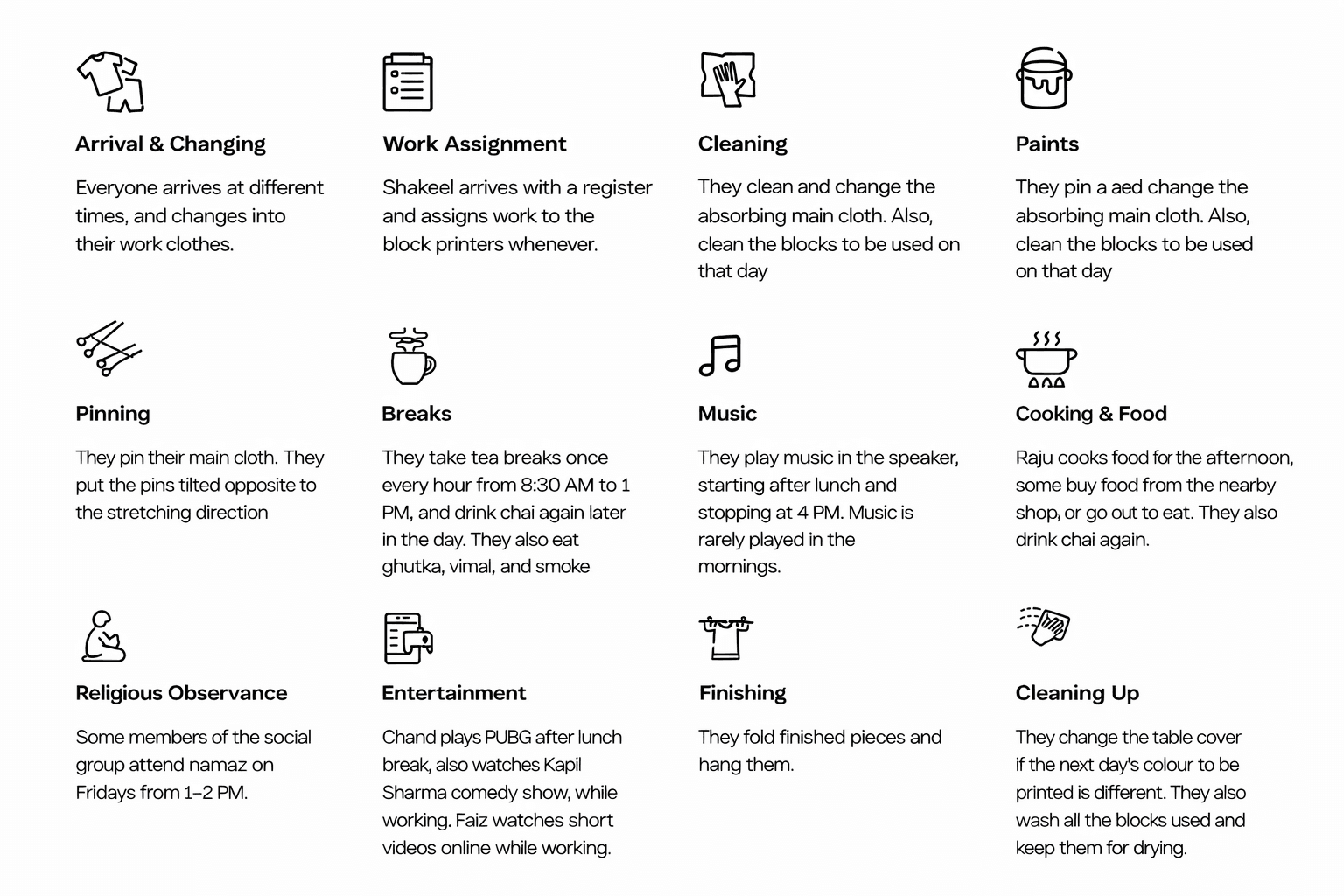
Daily Activites
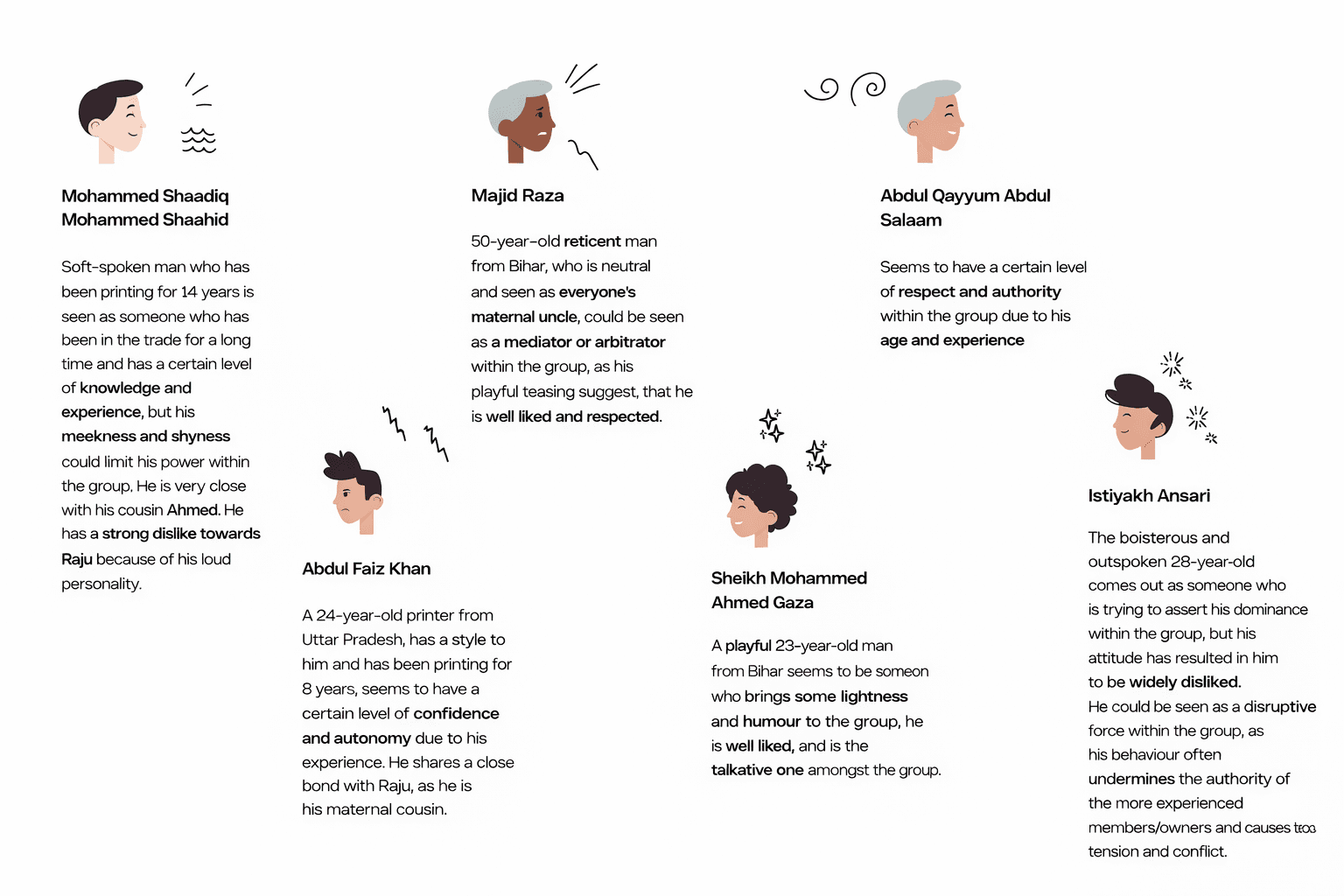
Social Group
Who are they?
Group of six people working at Fakruddin Factory, Behrampura aged 23 - 63 years
What do they do?
They manually block print sarees, suit sets and bulk cloth pieces.
How do they work?
They work individually on their pieces, since morning 7AM till evening 7PM, a 12 hour shift
Meaning making through open coding
(Group Dynamics)
"Group dynamics were shaped less by hierarchy and more by trust, temperament, and shared labour, revealing informal leadership, emotional coping systems, and surrogate family structures within the workspace"
Authority Is Socially Earned, Not Formally Assigned
Observation
Older and emotionally neutral members naturally became mediators and reference points within the group, regardless of role or title.
Interpretation
Power structures in informal workplaces emerge through trust, experience, and temperament—not hierarchy. Designing for such environments requires recognising invisible leadership.
Research Insights
Experience Builds Respect, Not Control
Observation
Highly experienced but soft-spoken printers were respected for their skill, yet rarely influenced group decisions.
Interpretation
Skill does not equal agency. Systems that assume expertise leads to influence often overlook quieter contributors.
Research Insights
Dominance Without Consent Creates Resistance
Observation
Outspoken individuals attempted to assert authority through volume and behaviour, which often resulted in social friction and isolation.
Interpretation
Authority imposed without group validation destabilises collaboration—an insight relevant to team dynamics, leadership design, and organisational culture.
Research Insights
Humour Functions as Emotional Infrastructure
Observation
Teasing, jokes, and playful banter diffused tension and sustained morale during physically demanding work.
Interpretation
Informal emotional practices can be as critical as formal systems in maintaining group resilience.
Research Insights
Labour Creates Surrogate Family Structures
Observation
Relationships within the workspace mirrored familial roles; mentors, disruptors, caregivers formed through shared labour rather than blood ties.
Interpretation
Workplaces can function as emotional ecosystems. Interventions must account for relational dynamics, not just workflows.

Understanding Bias
Selecting a Social Group
Field Work
Interaction &
Participation
Data Collection and analysis
Interpretation&
Synthesis
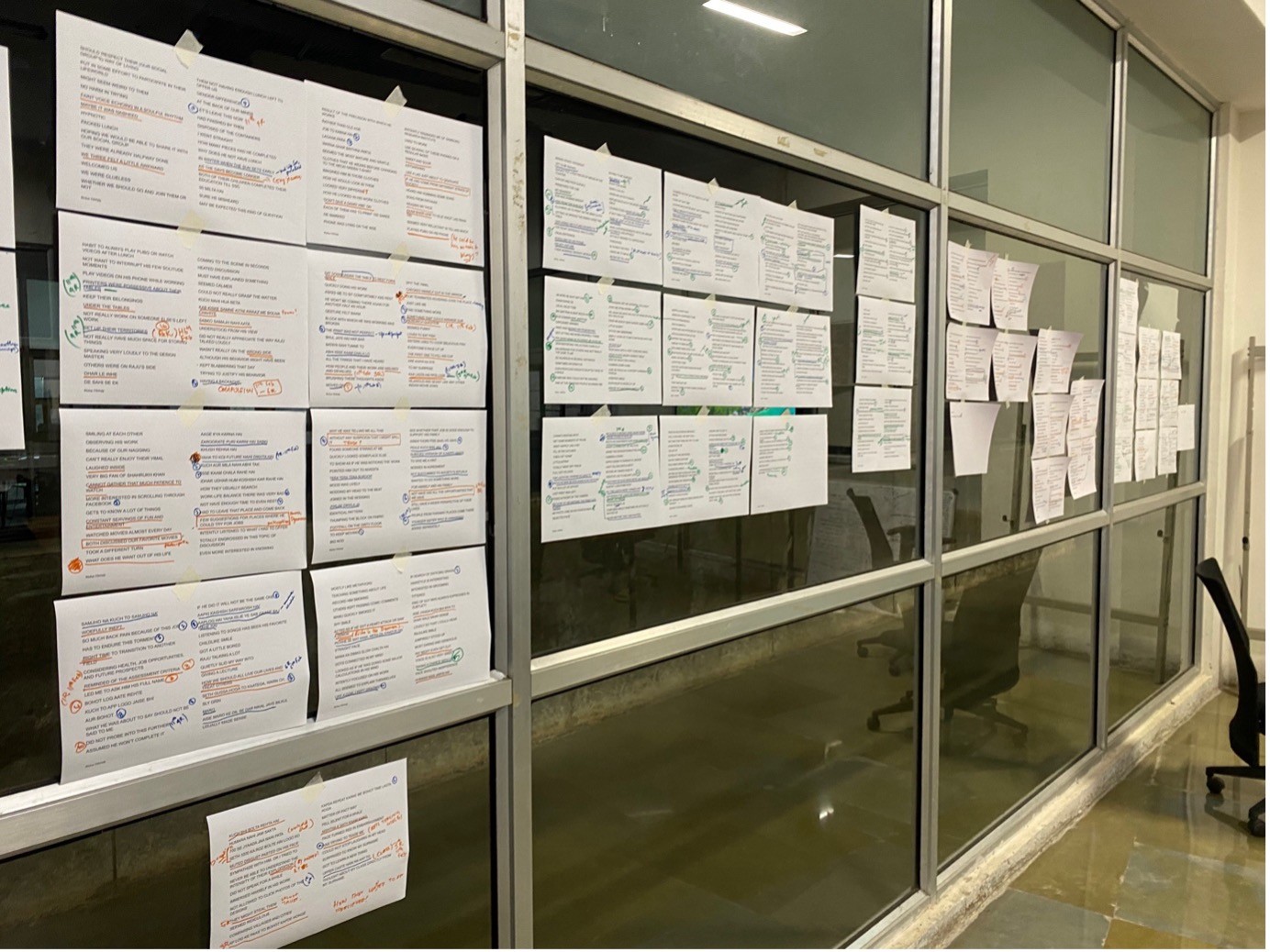
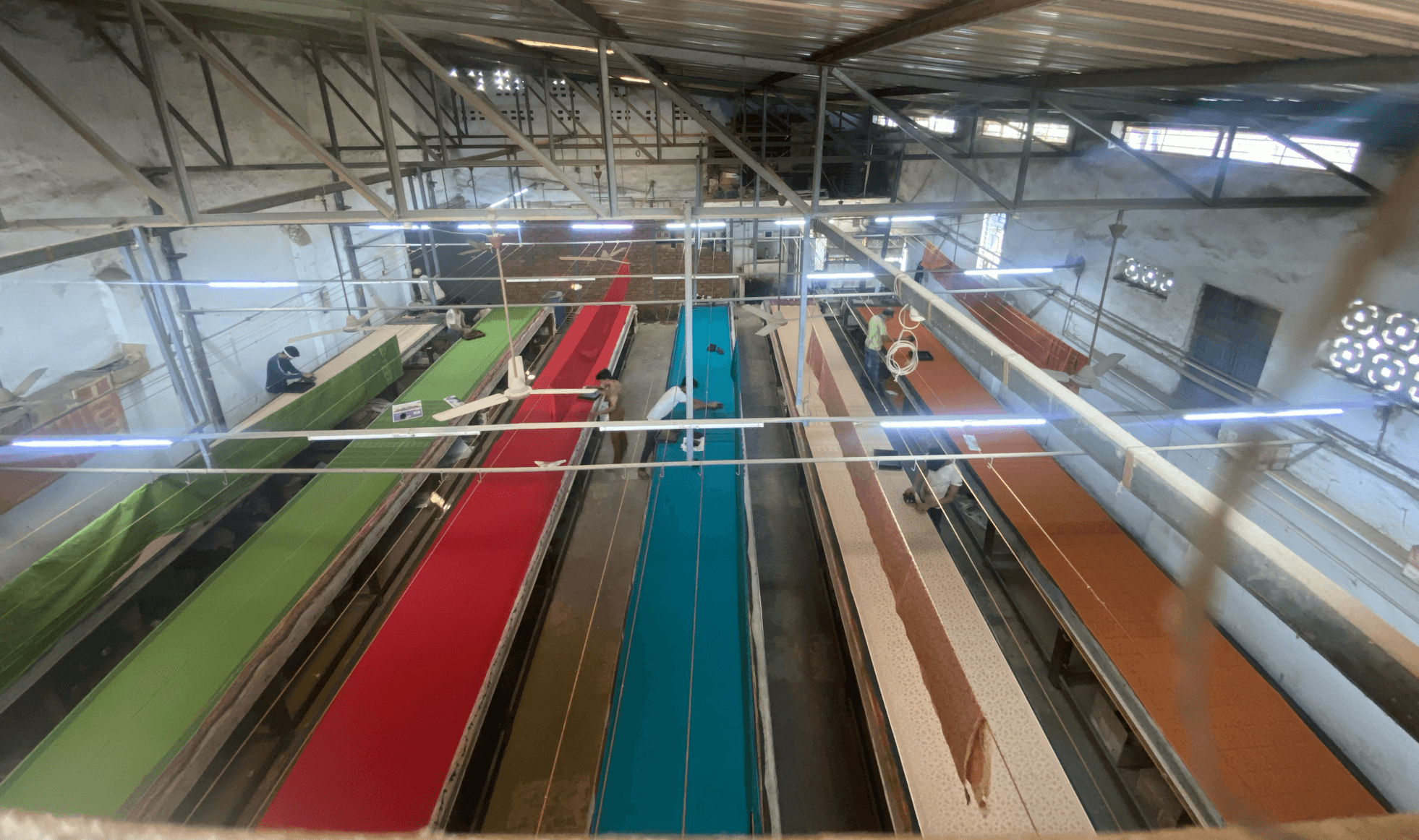
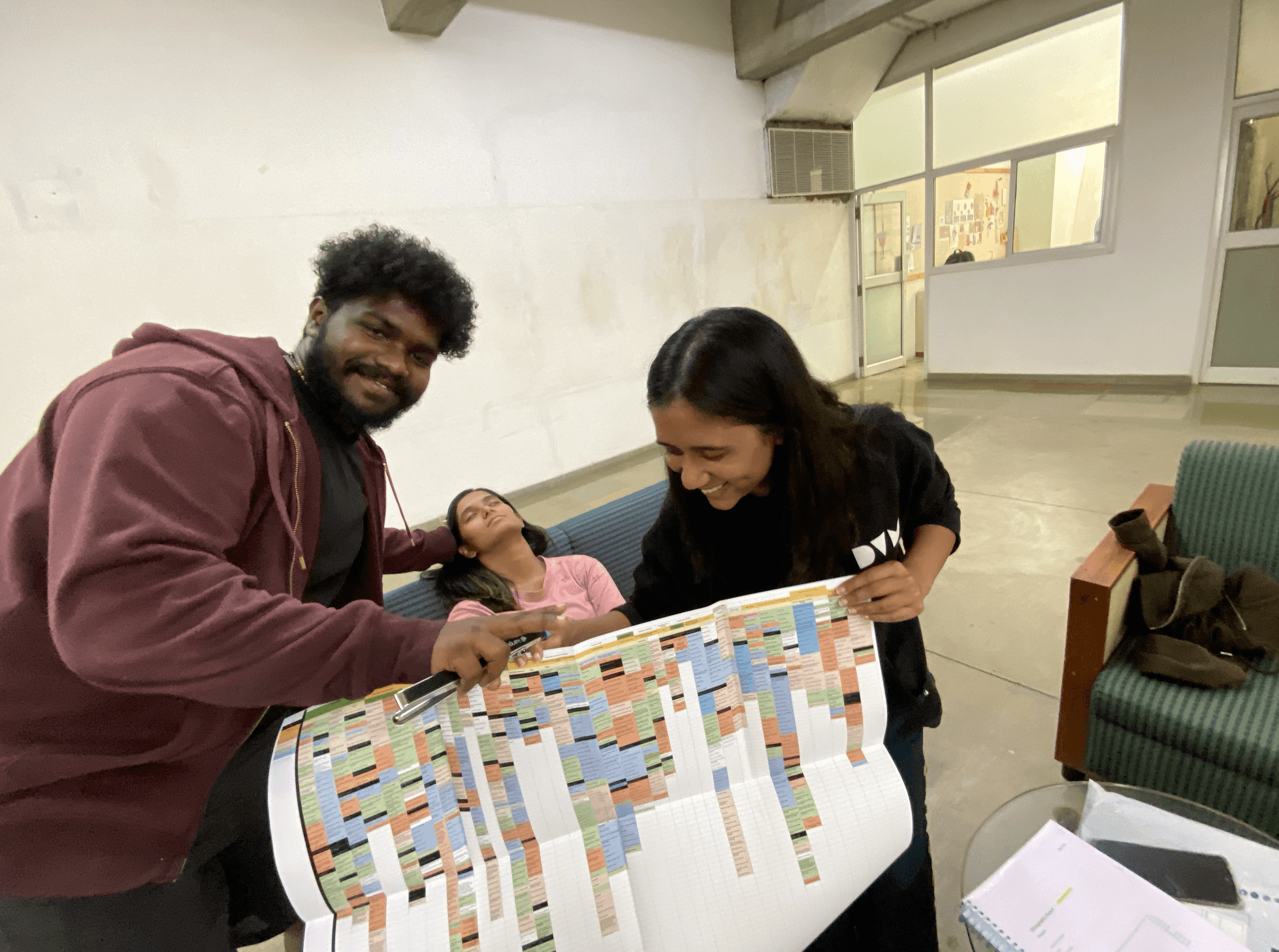
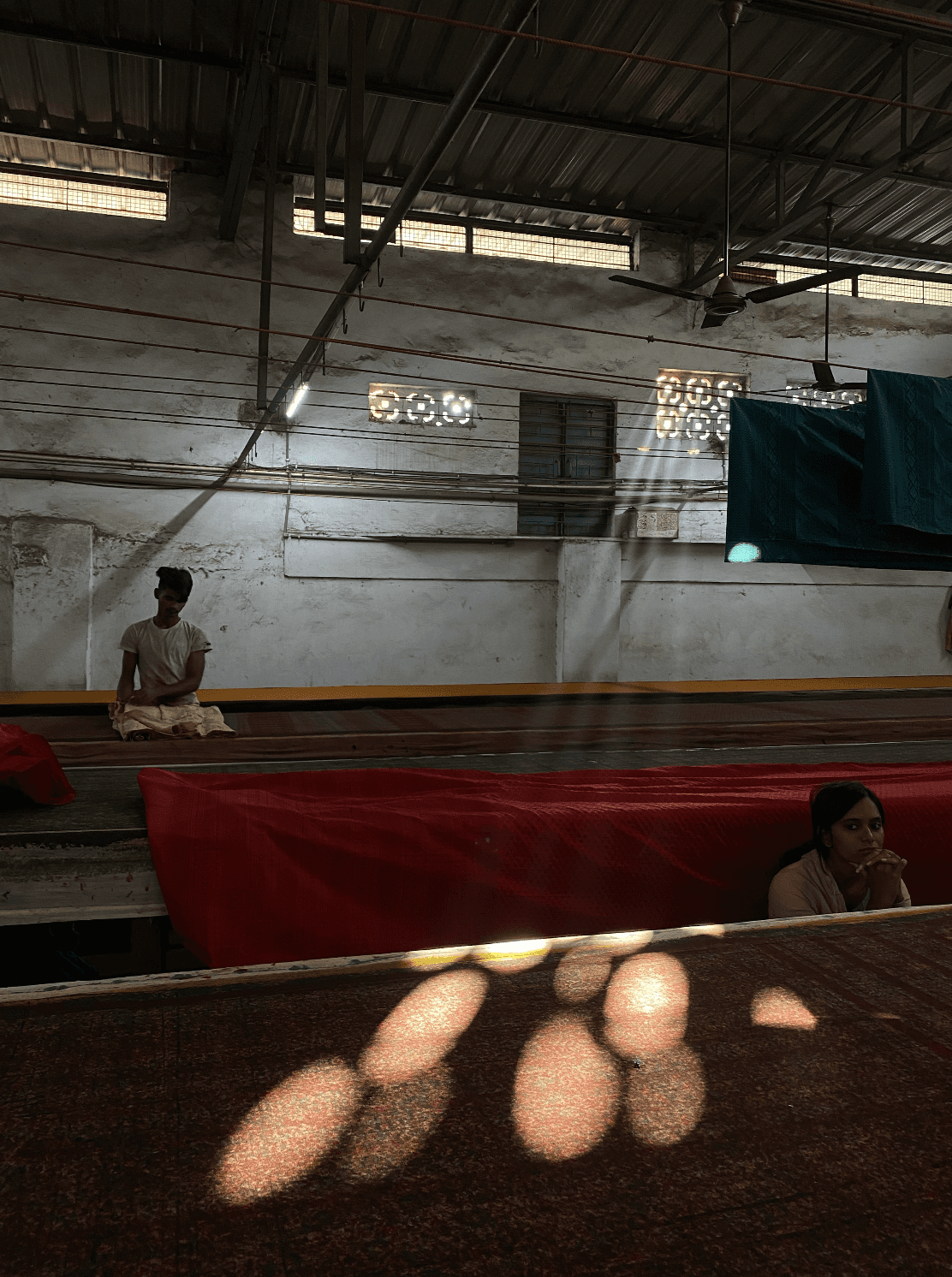
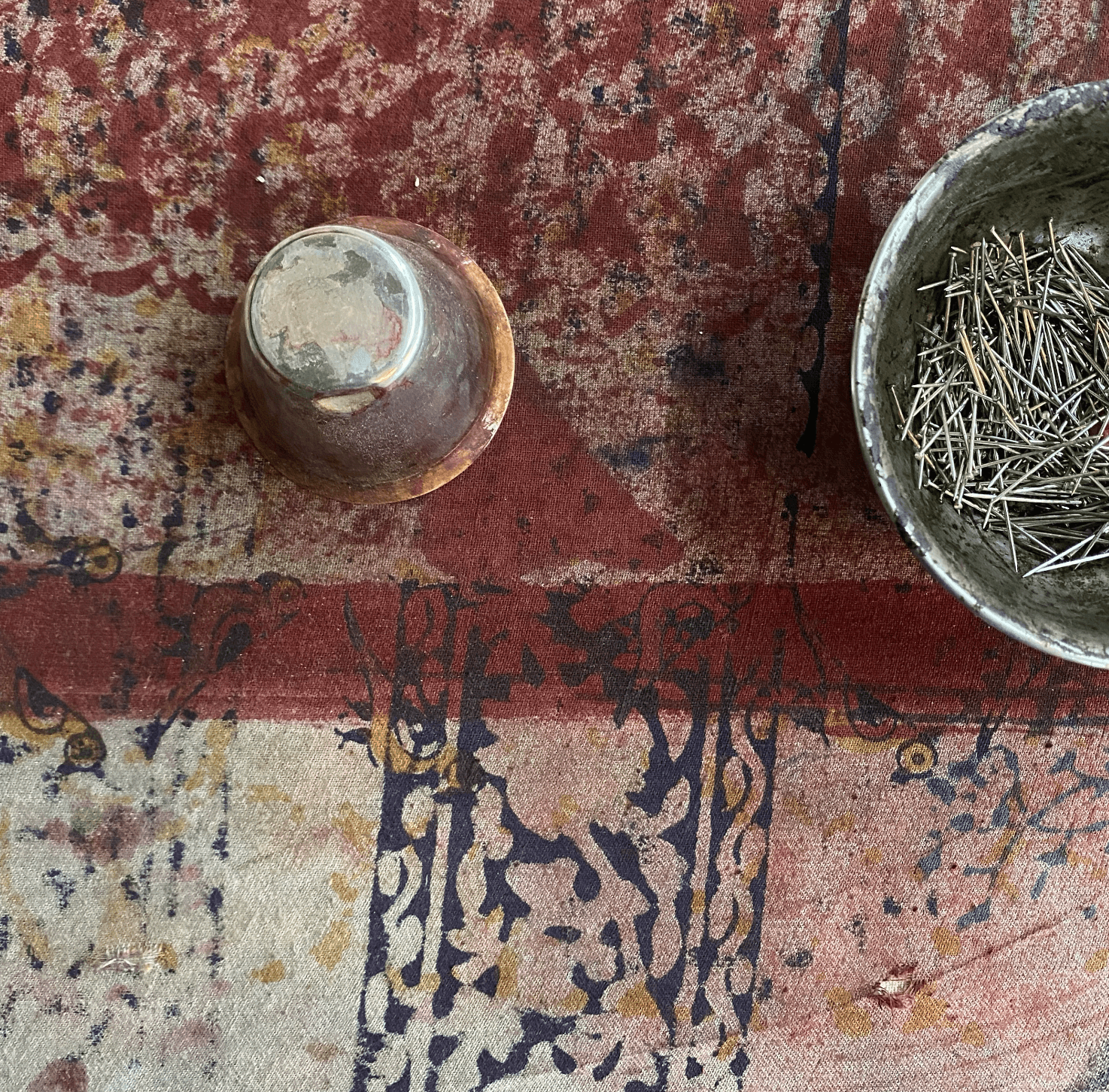
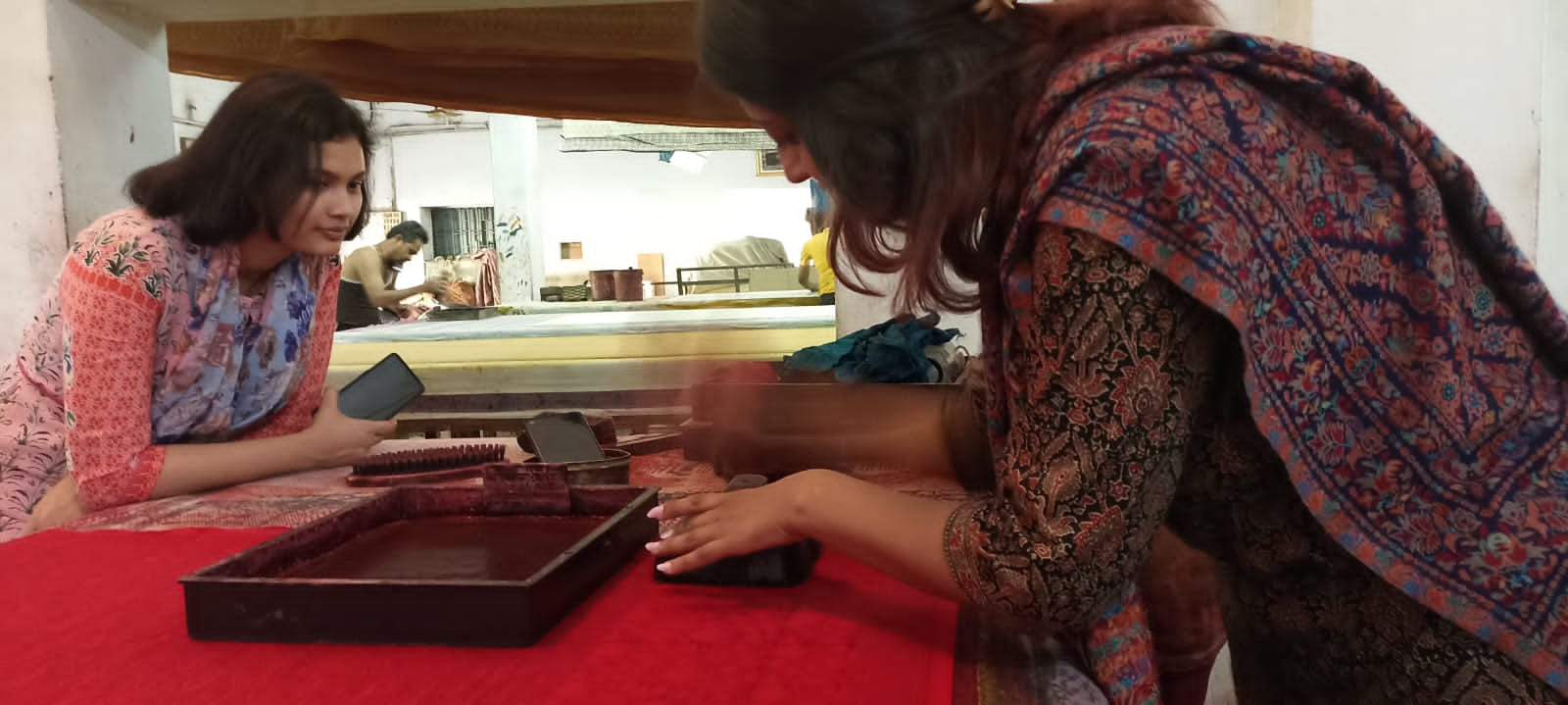
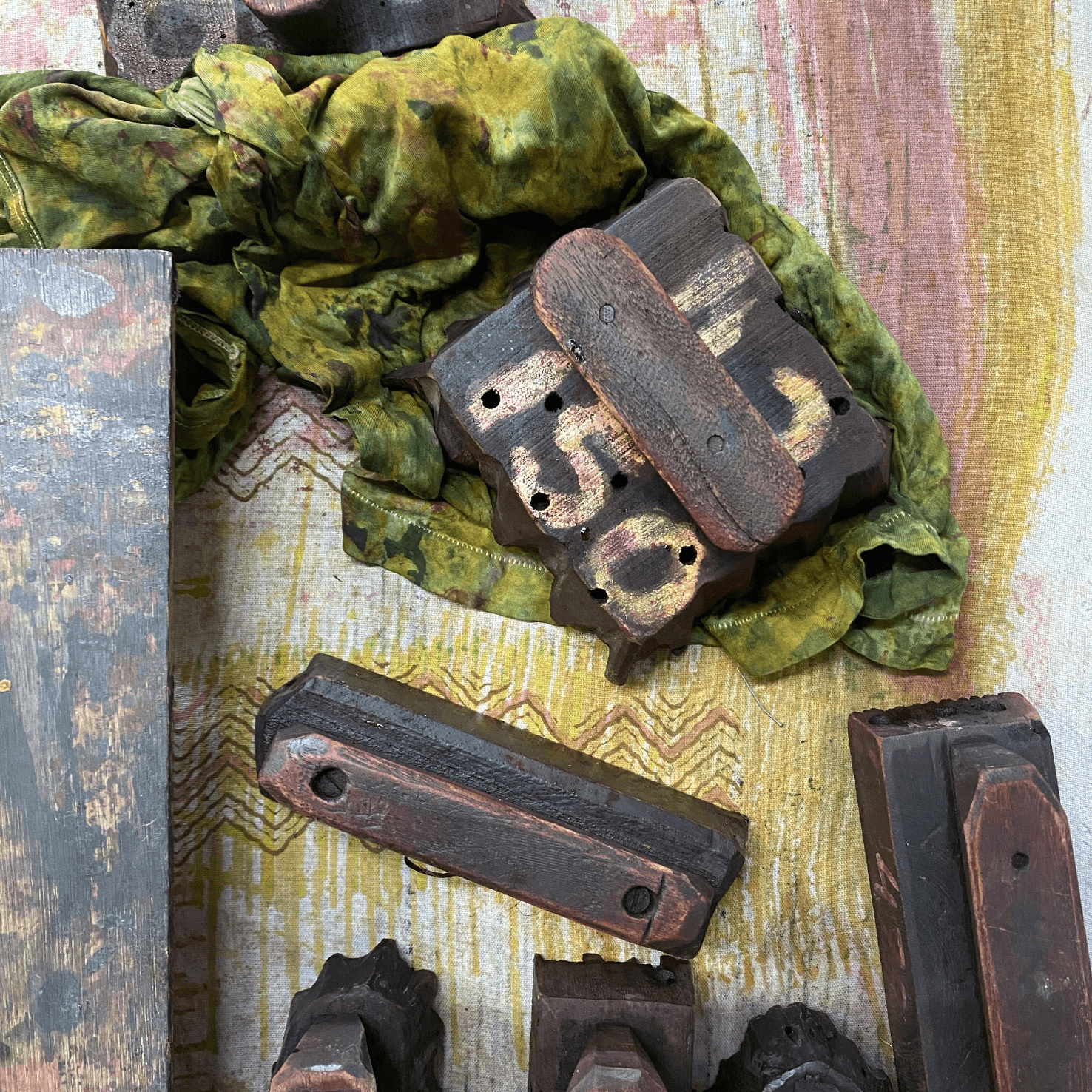
Stills from Field Visits