What if we scaled the ones nature already perfected?
Instead of engineering new cleanup systems,
2023
fungAi
How might we harness the ecological potential of fungi to clean and regenerate damaged ecosystems?
SPECULATIVE environmental Futures | PRODUCT DESIGN
Personal Project
Challenge
Environmental damage is accelerating faster than
current remediation systems can respond.
System-Level Challenges
Traditional cleanup methods are:
Expensive and resource intensive
Slow to deploy at scale
Reactive rather than preventative
Dependent on centralized infrastructure
Environmental Pressures
Industrial contamination of soil and water
Air pollution and microplastic infiltration
Climate-driven habitat loss
Increasing ecological disasters
There is a growing need for scalable, nature-based restoration systems that can be deployed globally while adapting locally.
Why Fungi?
Fungi already function as natural environmental processors.
Natural Capabilities:
Carbon Sequestration
Mycelial networks store carbon underground
and stabilise soil ecosystems.
Pollutant Degradation
Certain species can enzymatically break down
complex contaminants like oil, chemicals, and toxins.
Ecosystem Regeneration
Fungi support plant regrowth, nutrient cycling, and soil restoration.
fungAi reframes fungi from being seen as biological material → to being understood as ecological infrastructure.
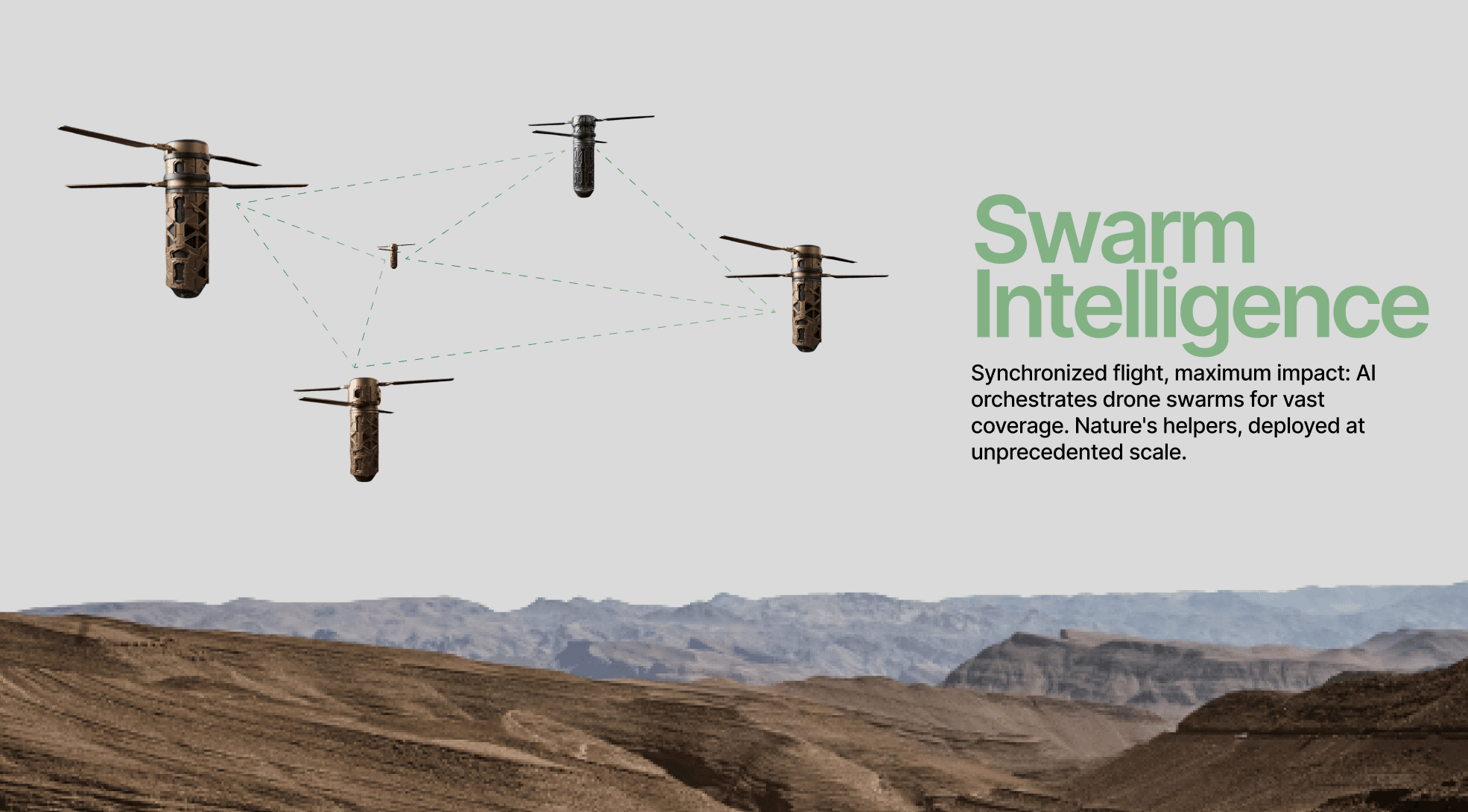
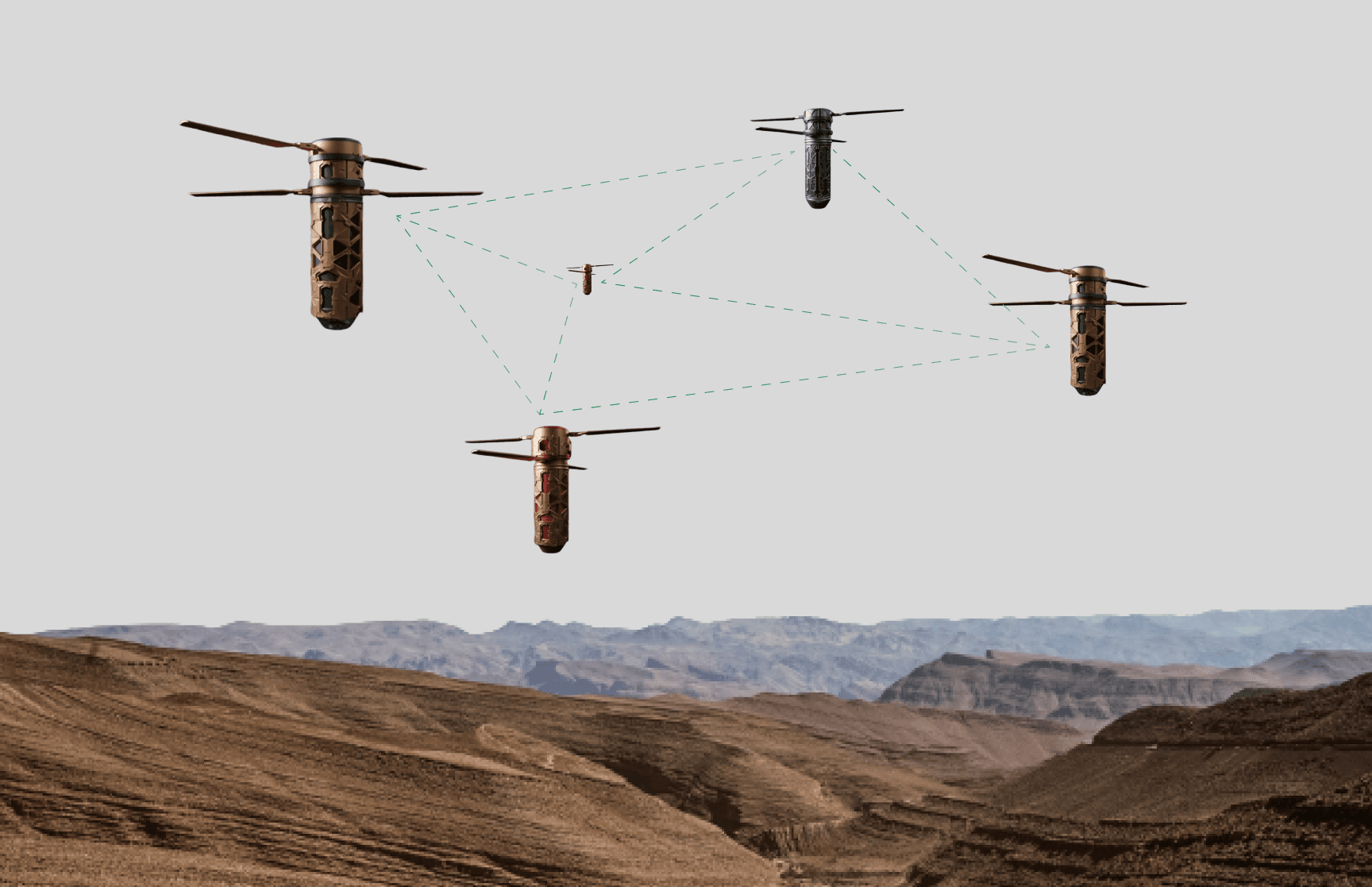
MycoDrone
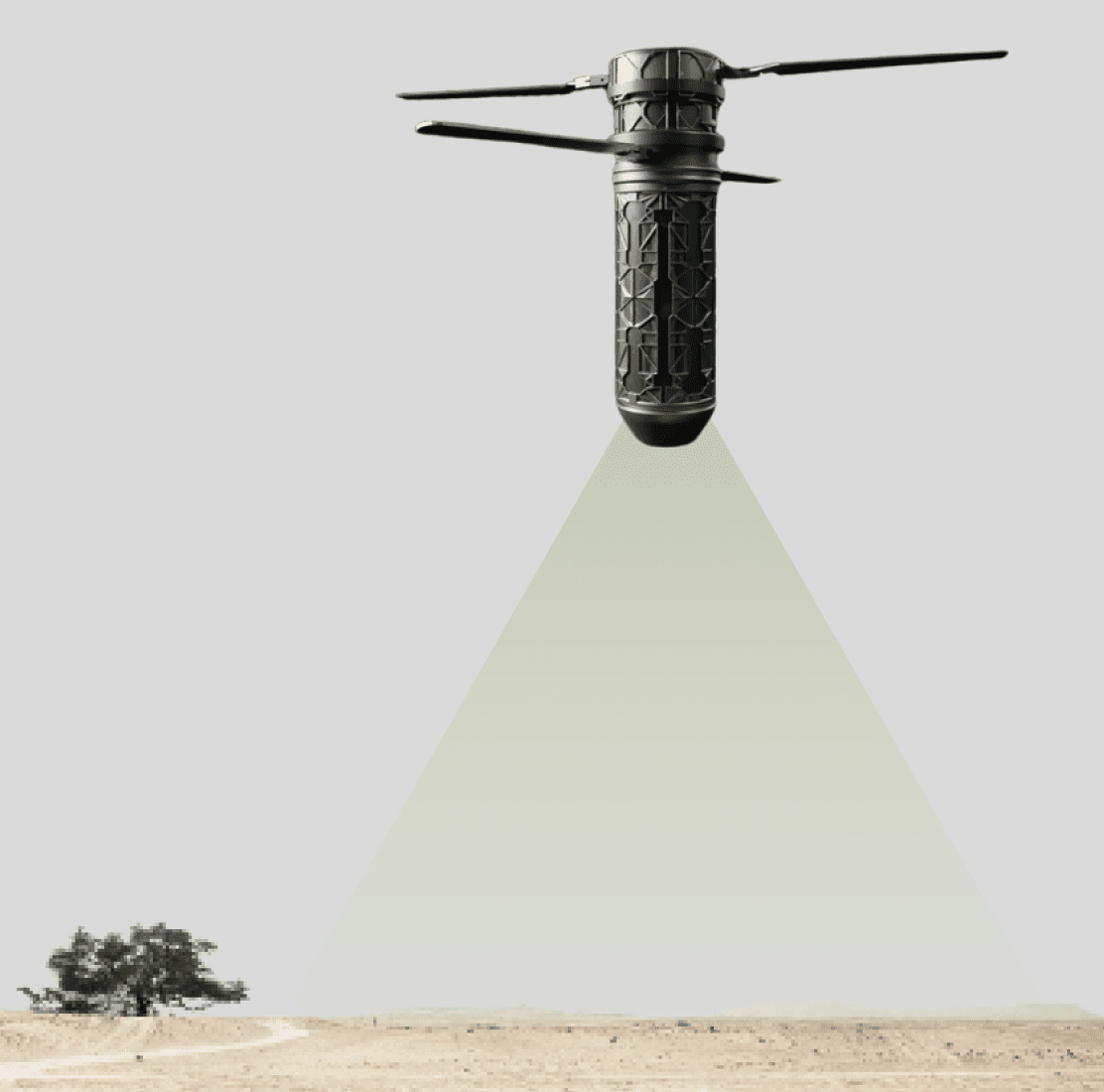
Spore dispersal system
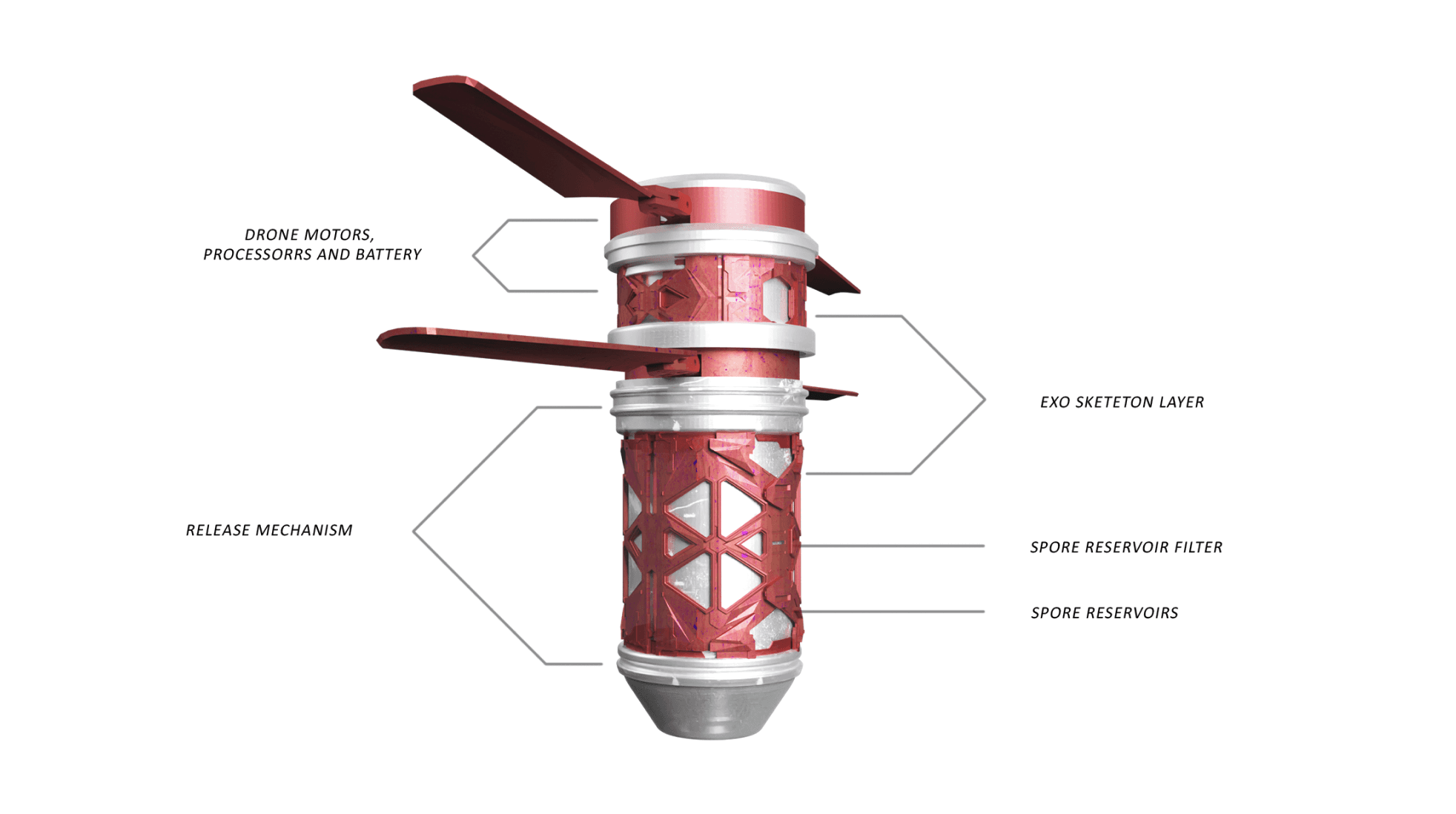
A modular aerial system designed to distribute remediation fungi with precision.
Eco-Conscious Hardware Design
Lightweight recyclable material structure
Hybrid solar + battery power system
Low-noise propulsion to minimize ecosystem disruption
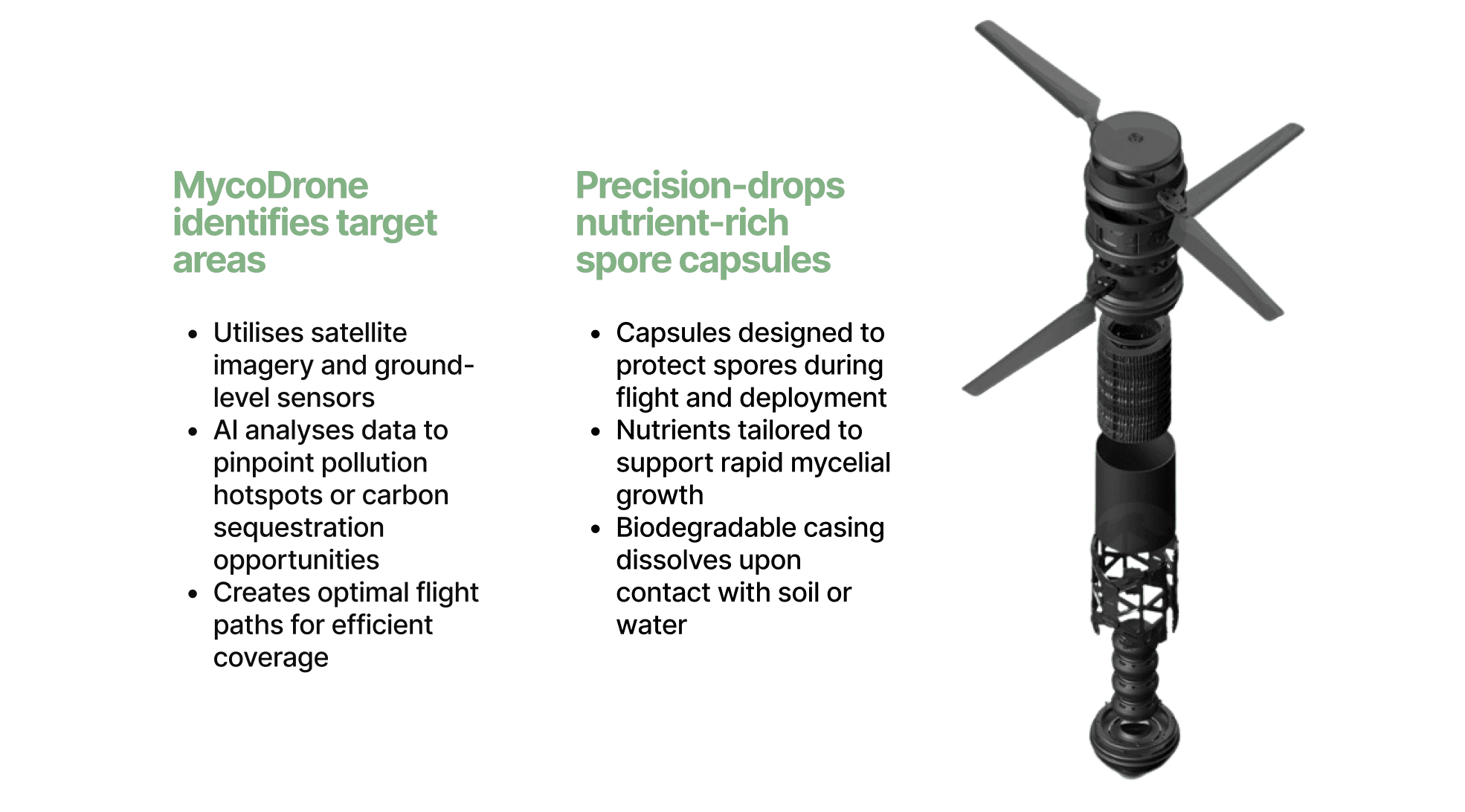
Precision Environmental Navigation
GPS-based positioning
Computer vision for terrain and site detection
Adaptive environmental learning models
Controlled Spore Deployment
Custom dispersion patterns per fungal species
Moisture-protected spore capsules
Multi-species transport for ecosystem-specific restoration
Open Source
as UX strategy
A core design decision was making MycoDrone open and community-buildable.
Why does this matter?
Environmental restoration must be:
Locally adaptable
Economically accessible
Knowledge-shareable
Community-owned
UX Implementation
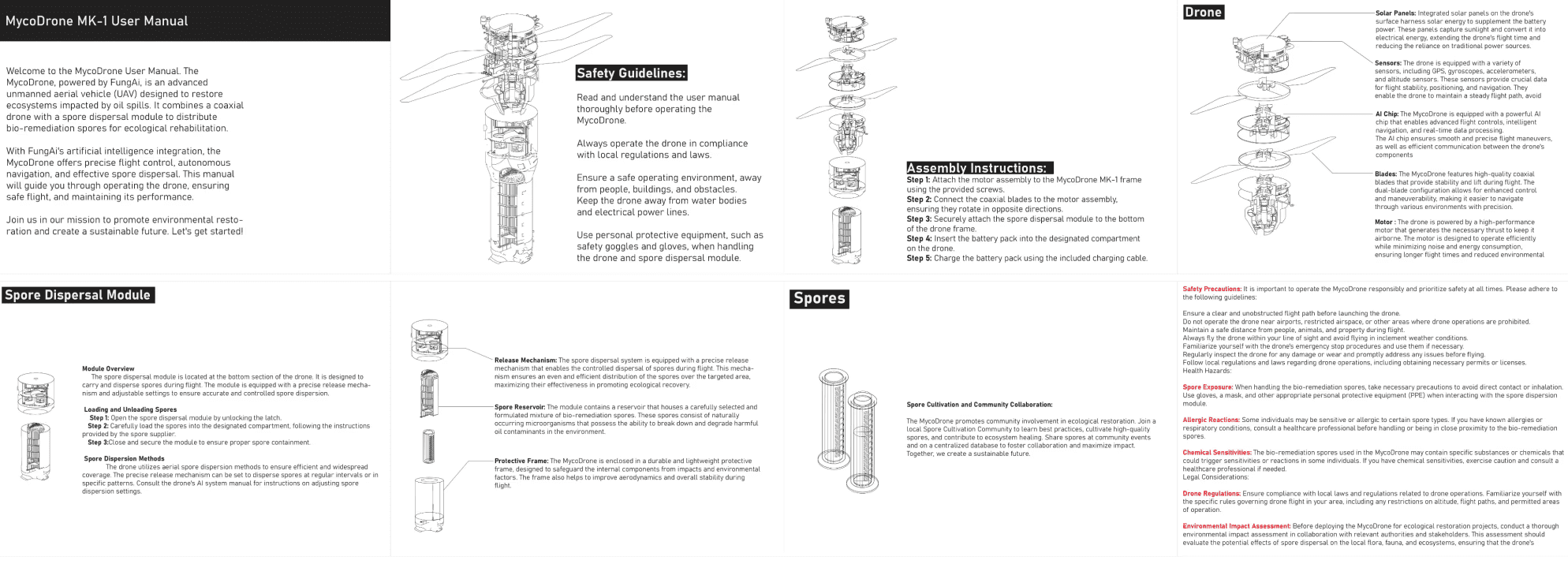
Step-by-step assembly manuals
Modular repairable components
Support knowledge ecosystem
This shifts restoration from institution-controlled → community-enabled.
Potential Impact
If deployed at scale, fungAi could:
Accelerate ecosystem recovery timelines
Lower cost barriers to remediation
Enable restoration in hazardous environments
Expand community participation in environmental repair
Why This Matters
fungAi reframes environmental technology from:
→ Control → Collaboration
→ Extraction → Regeneration
→ Centralised action → Distributed stewardship
UX Implementation
Step-by-step assembly manuals
Modular repairable components
Support knowledge ecosystem
This shifts restoration from institution-controlled → community-enabled.
fungAi
Ecosystem
fungAi combines biological intelligence with human-designed tools to create a distributed restoration system.
Layer 1 — Biological Intelligence
Selection of native fungi species with proven remediation properties.
Layer 2 — Deployment Infrastructure
MycoDrone enables targeted fungal distribution across large or hazardous landscapes.
Layer 3 — Community Participation
Open-source design allows communities to build, modify, and deploy restoration tools locally.