Concept note
It begins with a name—the first anchor to the world, the first sound that defines an existence. This fundamental piece of identity holds the weight of who a person is. Yet, for those we call migrants or refugees, this anchor is dragged across unfamiliar lands until it becomes as transient as the ground beneath their feet.
The installation gives form to this state of permanent liminality; a dislocated existence in the "in-betweens" of life, where the past is a ghost and the future an unanswered question. They are caught in the endless, exhausting task of bridging the person they were with the person they are now forced to become.
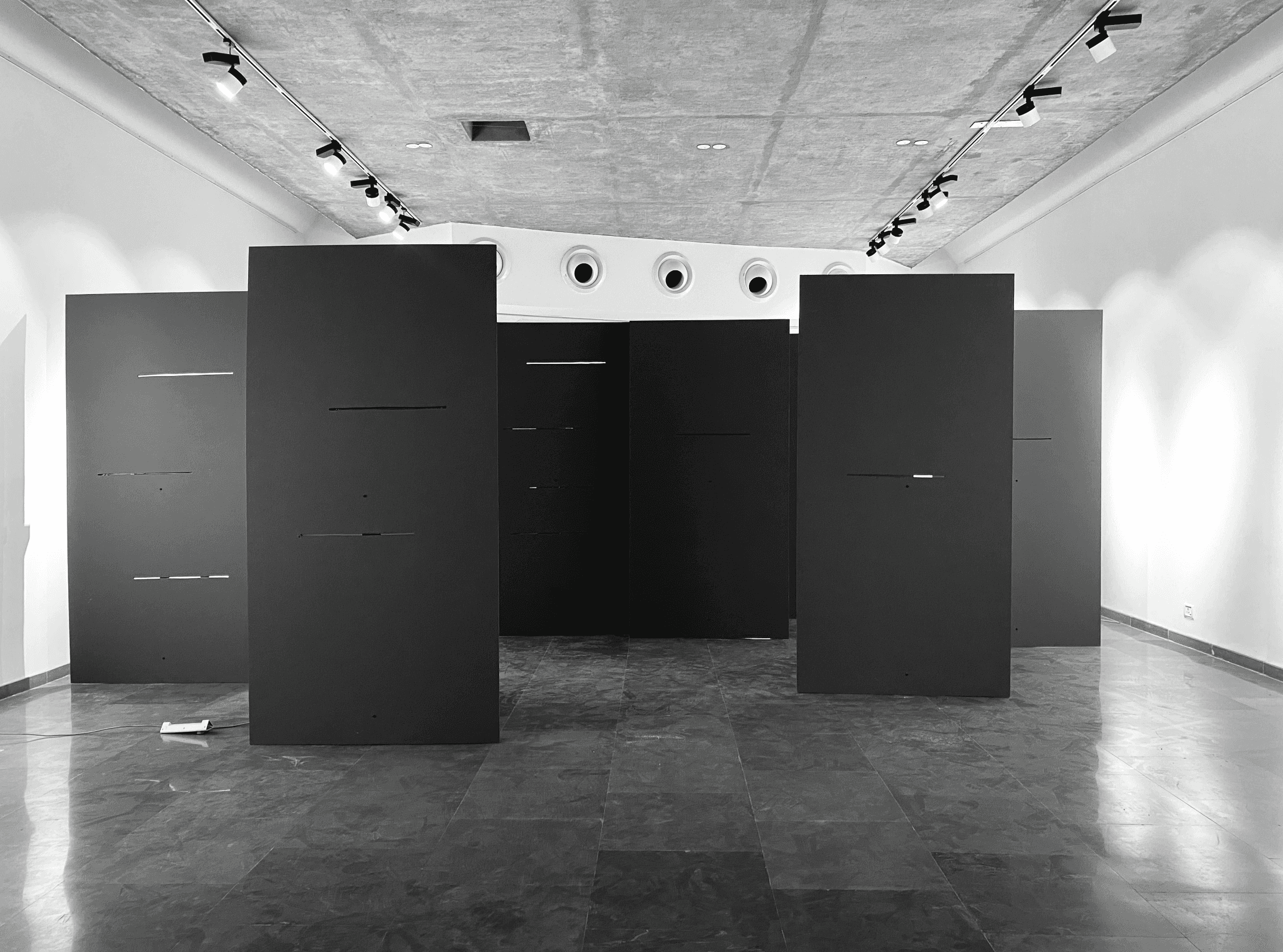
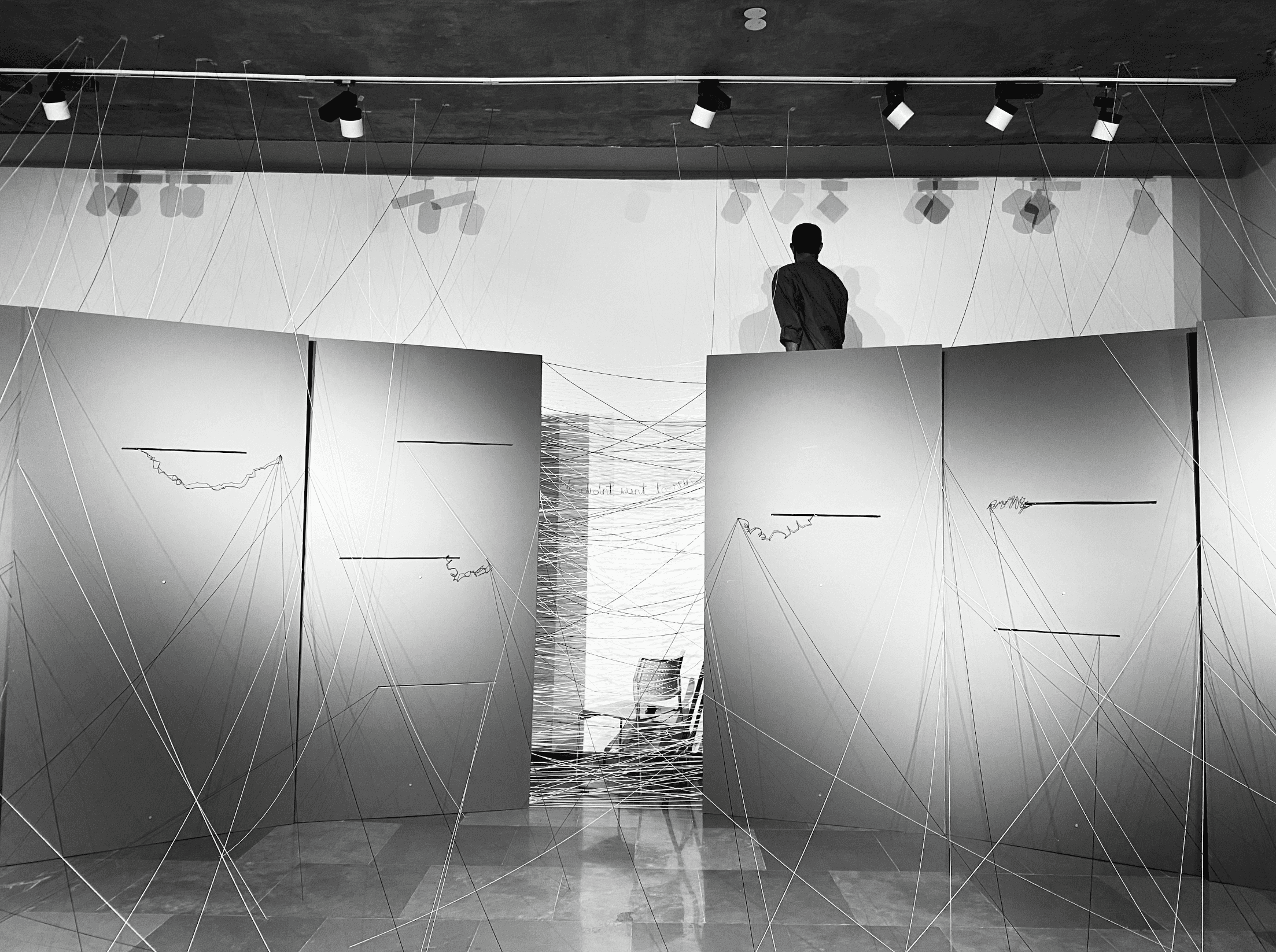
The work gives shape to that struggle. The border wall is reimagined not as a line of division, but as a silent, solemn witness, envisioned as having absorbed the countless stories of those who have passed by: the disappeared, the ones left behind, those lost along the way. It holds their echoes.
With wire, the installation gives those echoes a fleeting form. It perpetually constructs their names, only to let them deconstruct before the viewer's eyes. This fragile act mirrors the precariousness of an identity under the constant pressure of displacement.
It is an attempt to rehumanise these stories, allowing the wall to speak the names it holds, if only for a moment before they fade.
The audience stands witness to a constant, quiet cycle of becoming and unbecoming, a testament to lives that are no longer simply traversed, but must be endured.
Making of Gray
Making of Gray
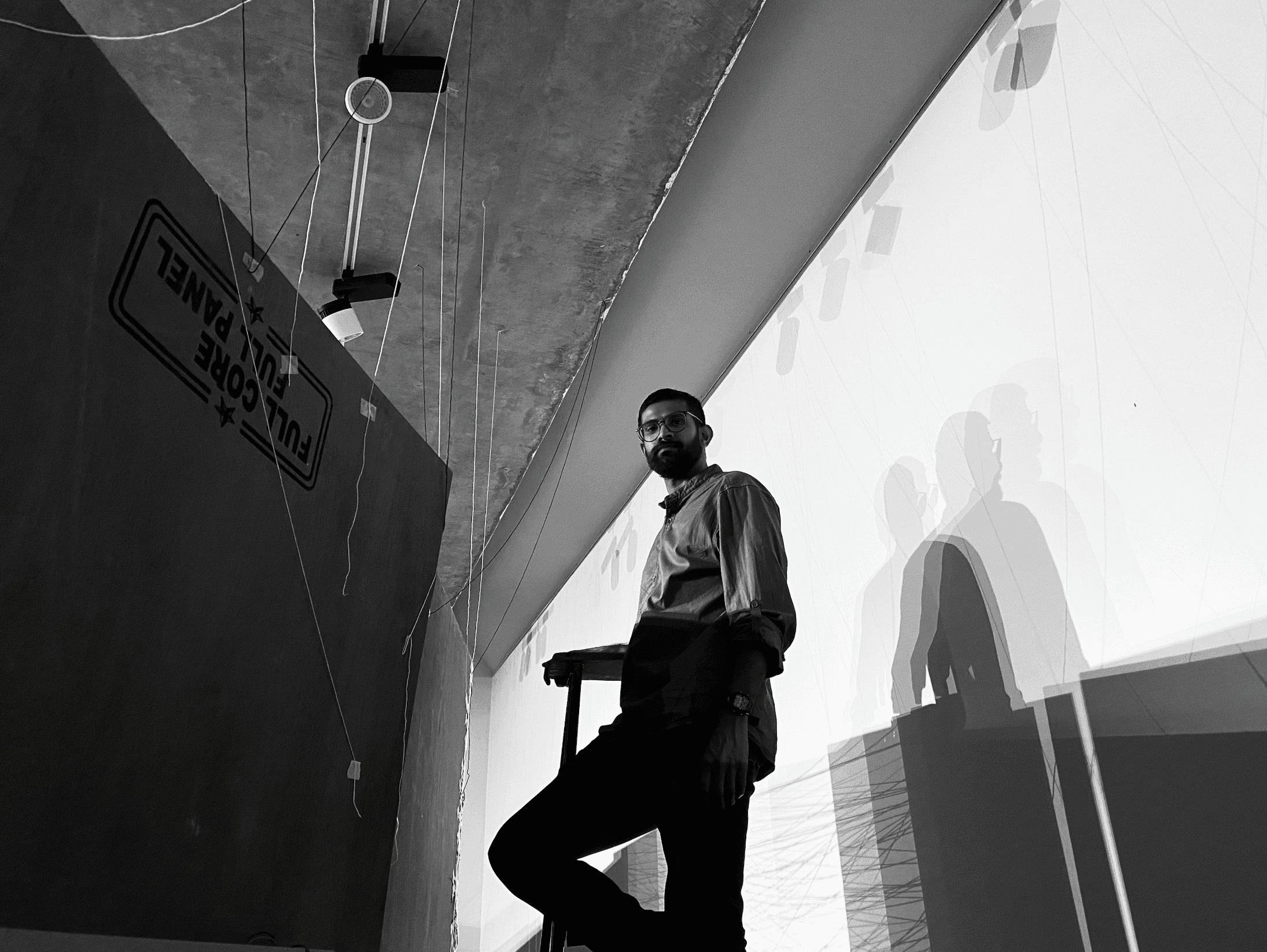
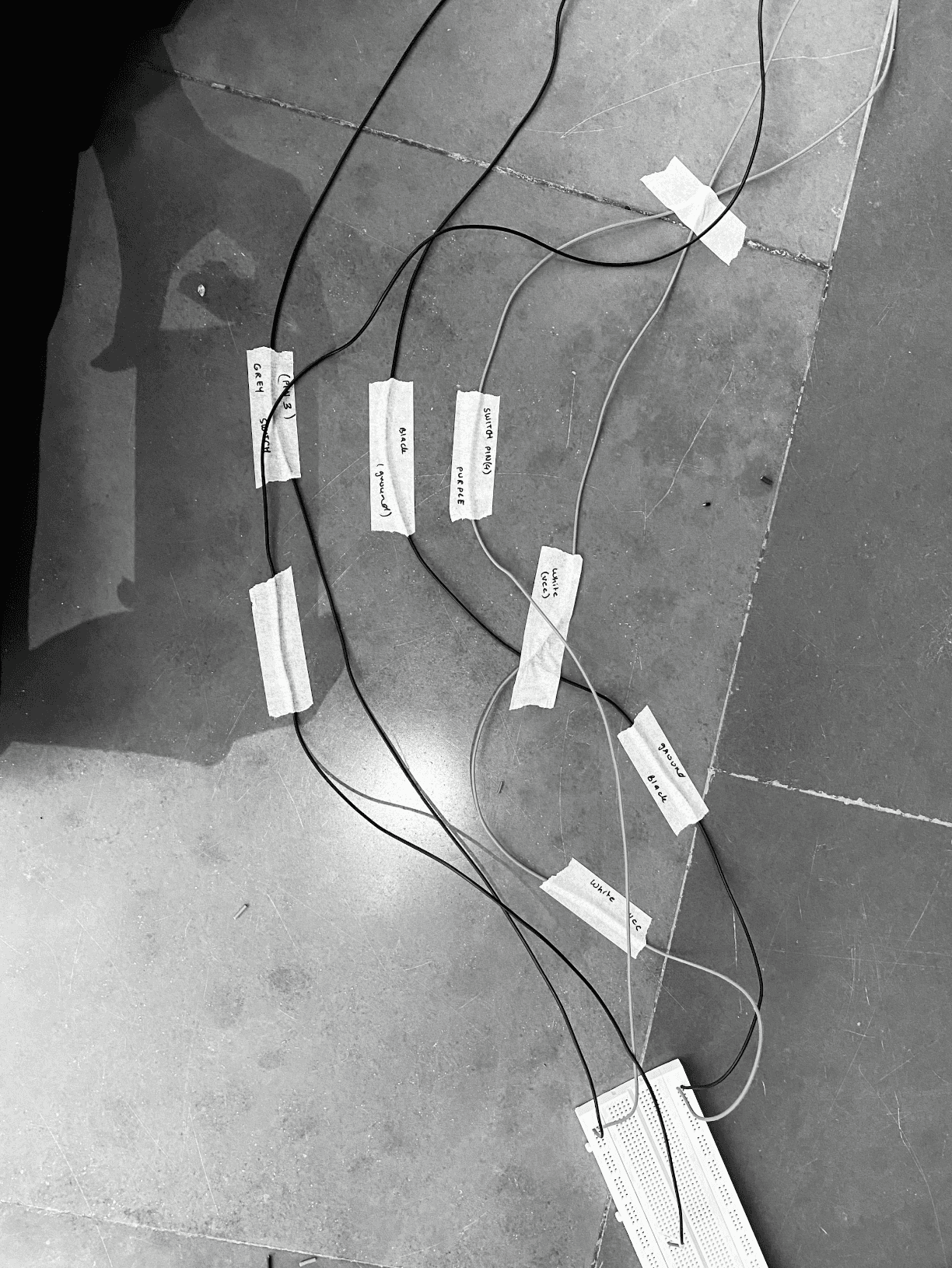
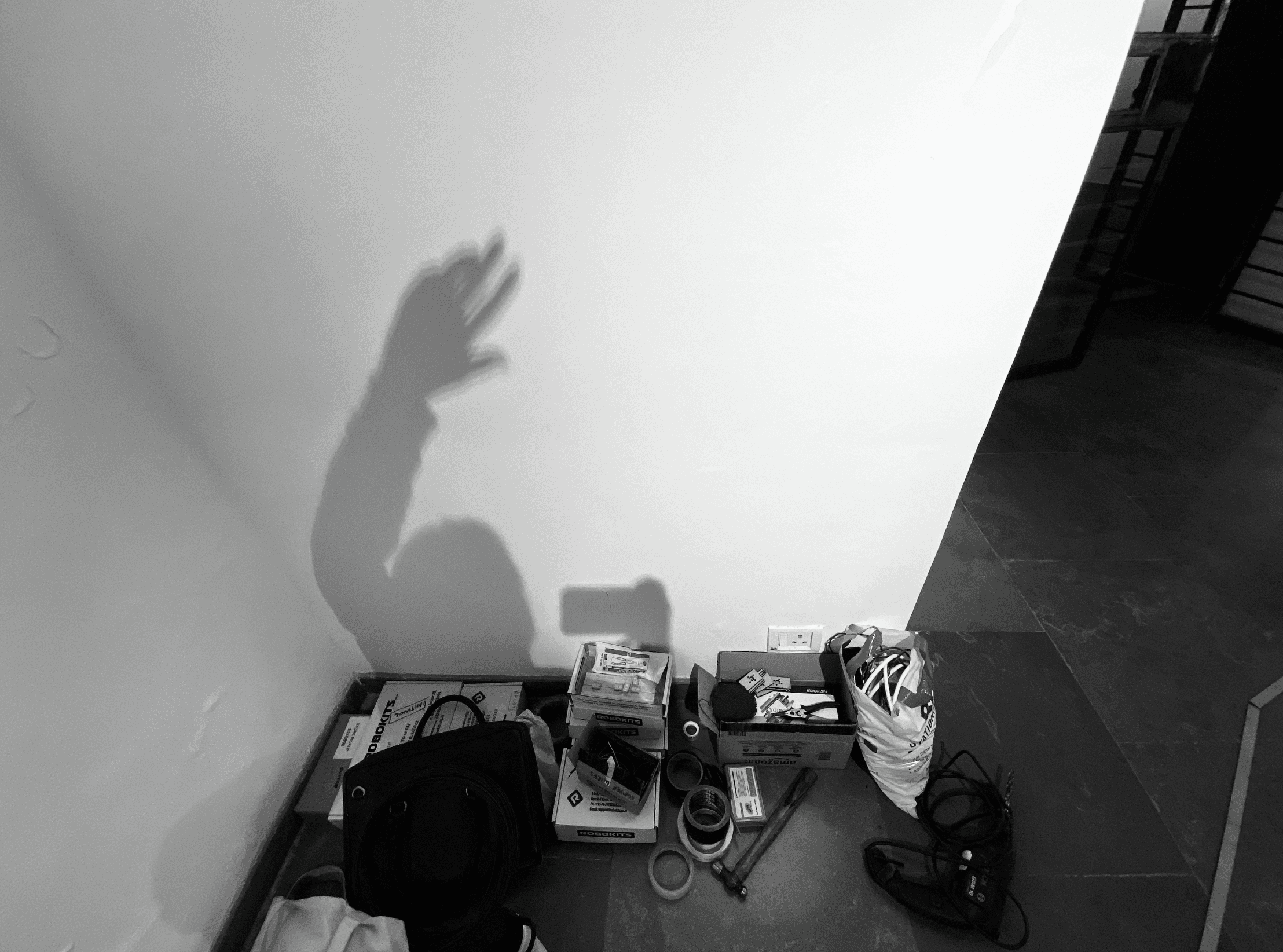
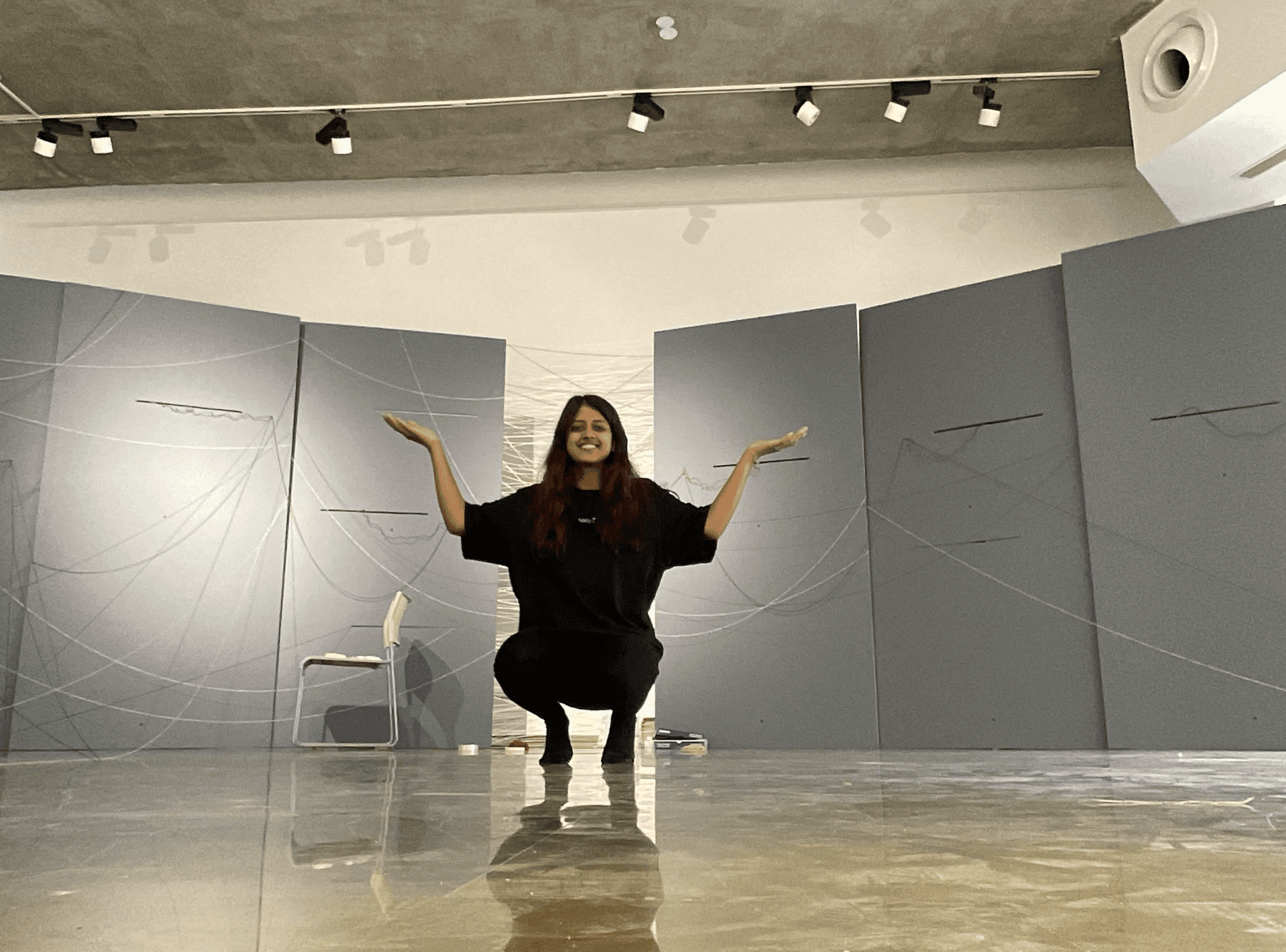
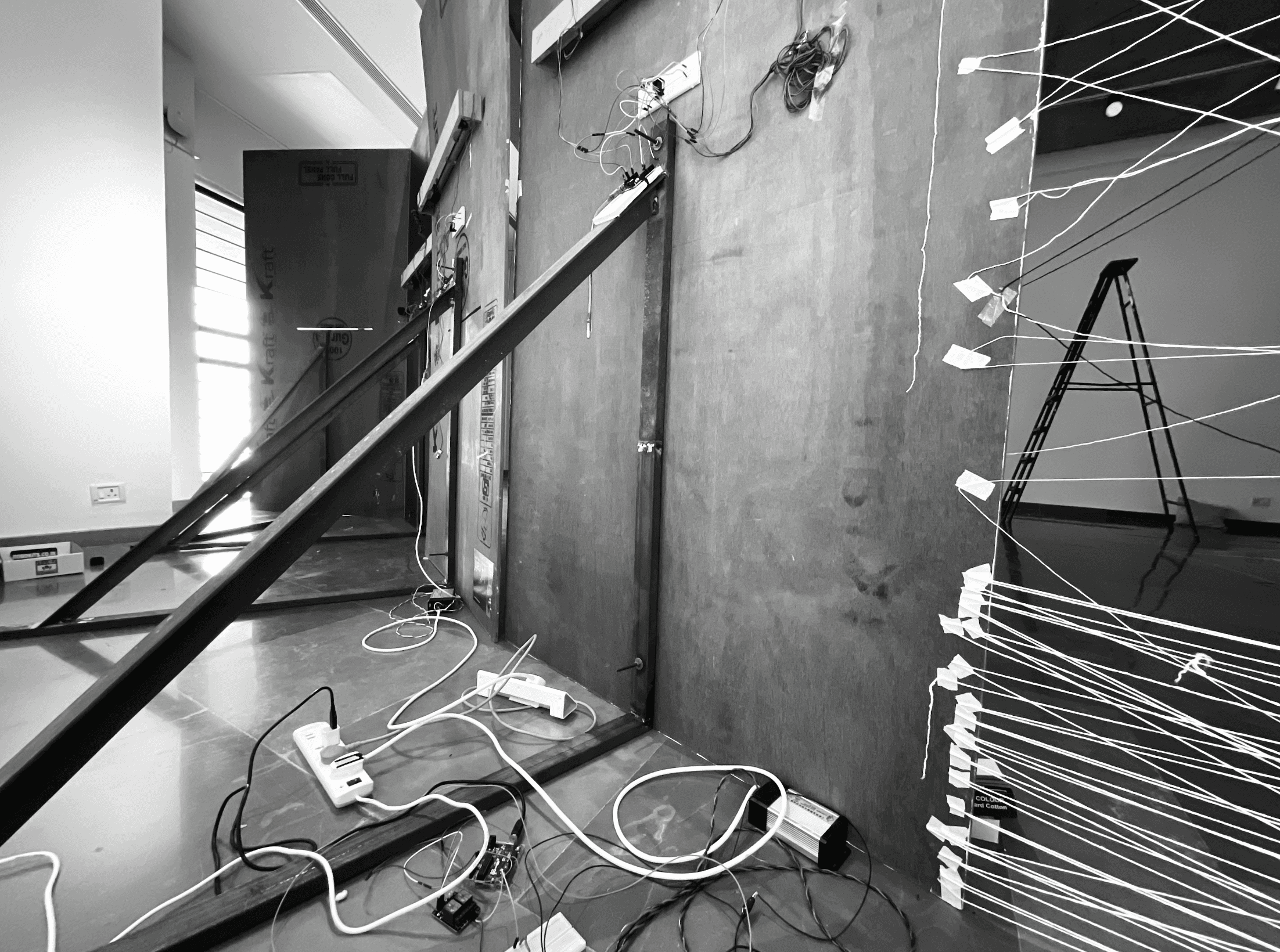
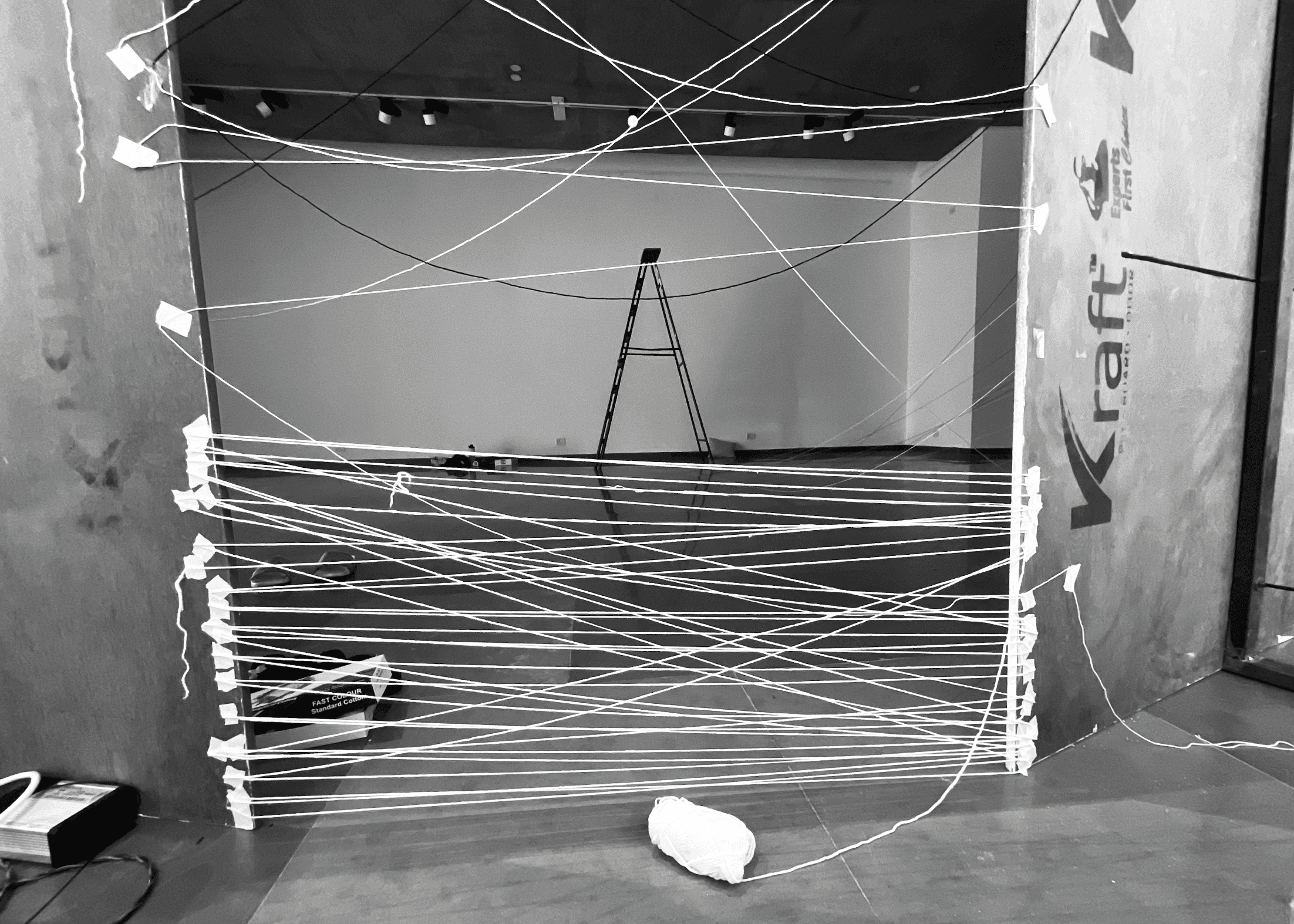
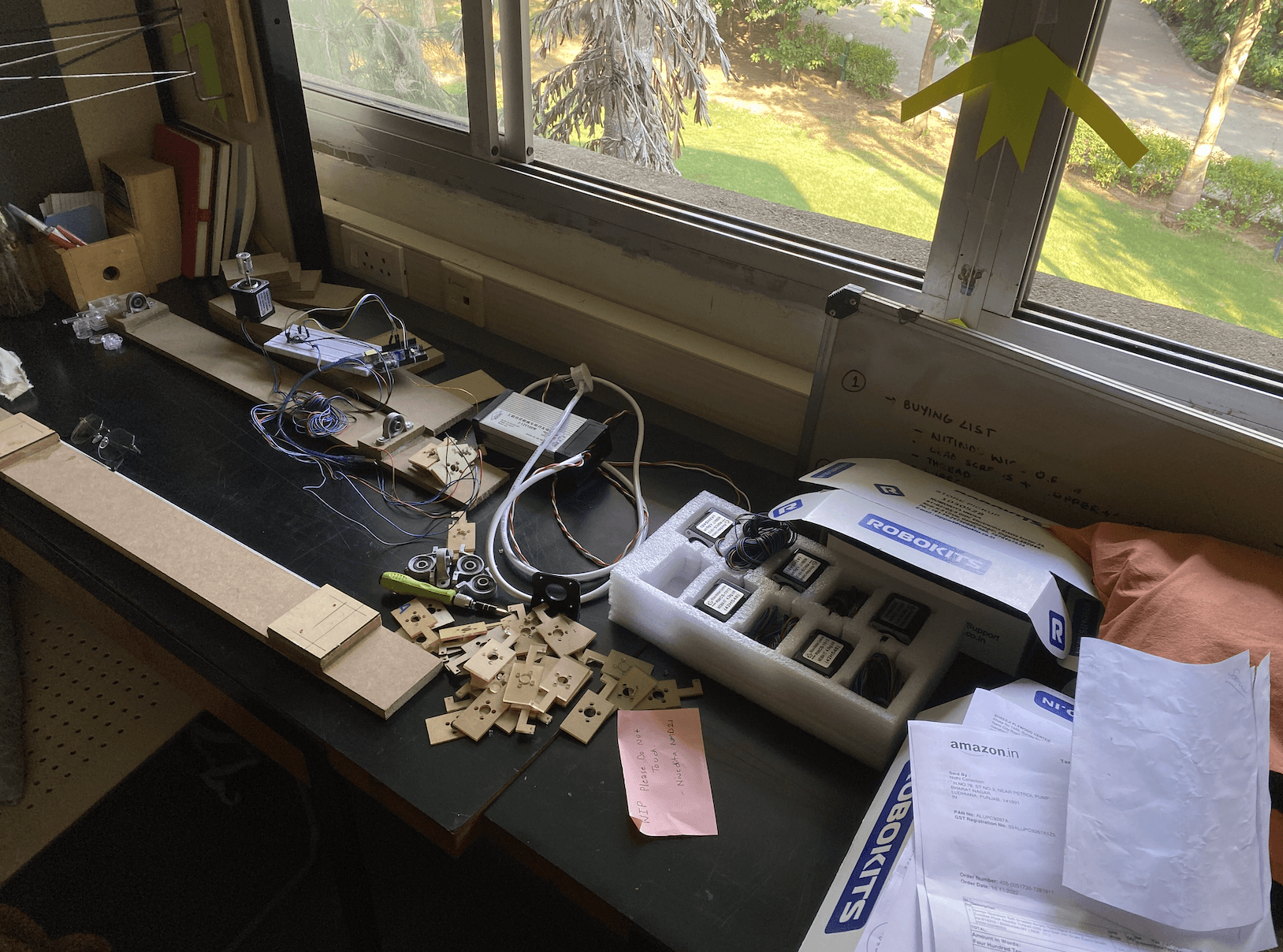
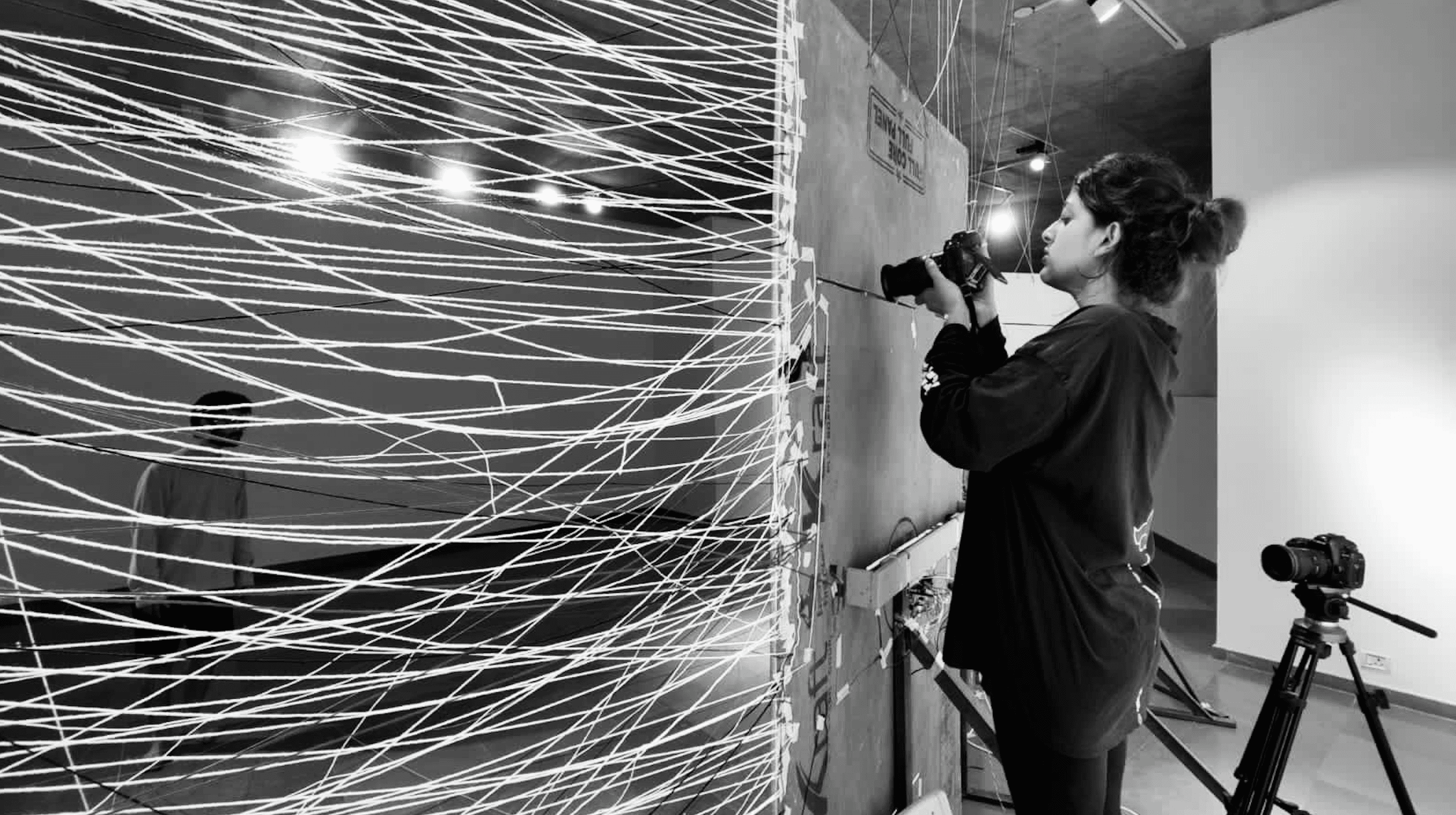
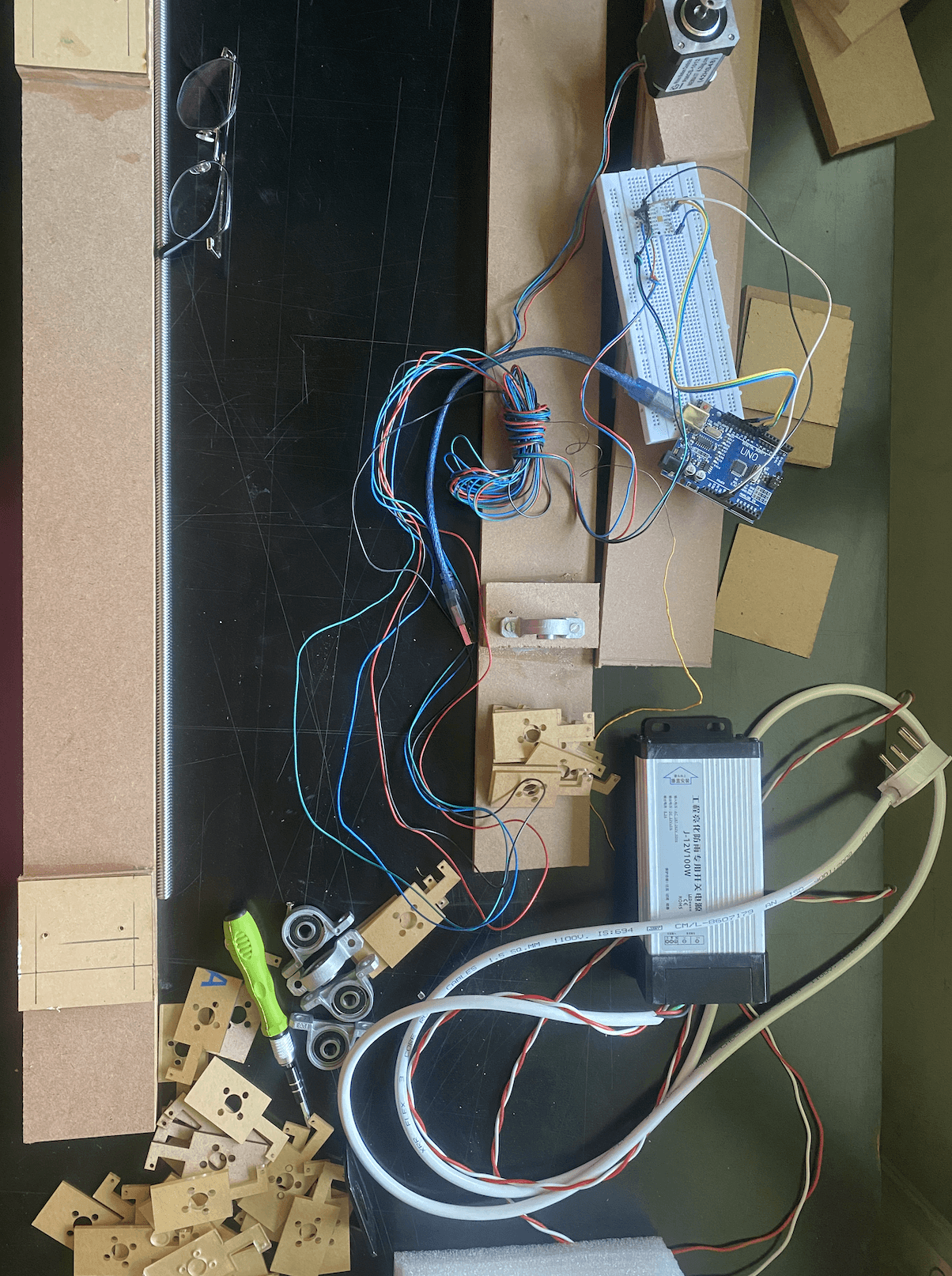
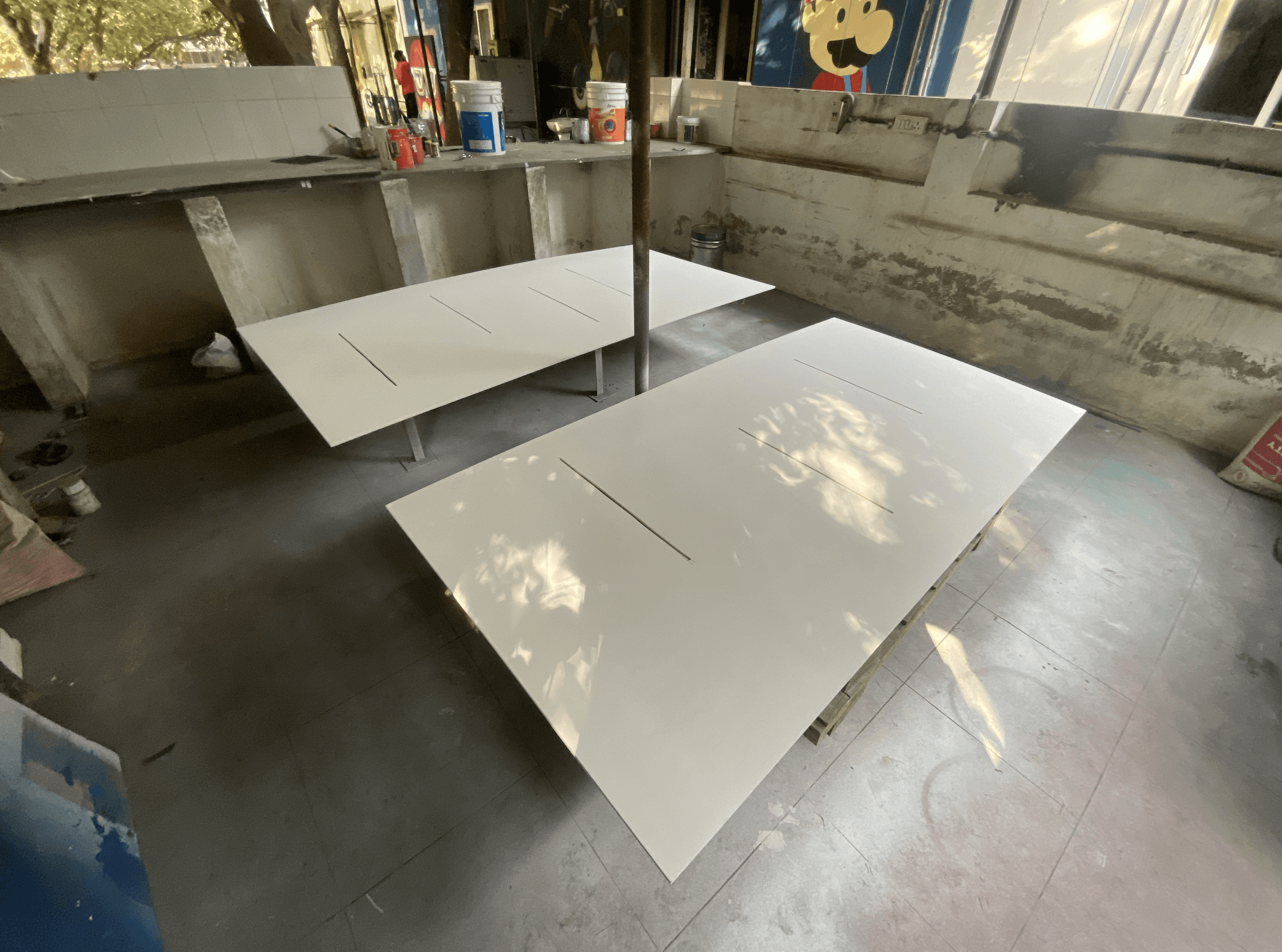
A preview into the making of gray; built piece by piece each week, reworking ideas, colours, threads, electronics; what to include and what to leave out. Learning to ask for help, learning to figuring things out, deconstructing it and piecing it all together
A preview into the making of gray; built piece by piece each week, reworking ideas, colours, threads, electronics; what to include and what to leave out. Learning to ask for help, learning to figuring things out, deconstructing it and piecing it all together
*Selected for Florence Biennale 2025
*Selected for Florence Biennale 2025

Passengers in Gray
Passengers in Gray
Humanising identities in type
Humanising identities in type
Installation Design| liminal spaces | typography
Installation Design| liminal spaces | typography
Concept note
It begins with a name—the first anchor to the world, the first sound that defines an existence. This fundamental piece of identity holds the weight of who a person is. Yet, for those we call migrants or refugees, this anchor is dragged across unfamiliar lands until it becomes as transient as the ground beneath their feet.
The installation gives form to this state of permanent liminality; a dislocated existence in the "in-betweens" of life, where the past is a ghost and the future an unanswered question. They are caught in the endless, exhausting task of bridging the person they were with the person they are now forced to become.
The work gives shape to that struggle. The border wall is reimagined not as a line of division, but as a silent, solemn witness, envisioned as having absorbed the countless stories of those who have passed by: the disappeared, the ones left behind, those lost along the way. It holds their echoes.
With wire, the installation gives those echoes a fleeting form. It perpetually constructs their names, only to let them deconstruct before the viewer's eyes. This fragile act mirrors the precariousness of an identity under the constant pressure of displacement.
It is an attempt to rehumanise these stories, allowing the wall to speak the names it holds, if only for a moment before they fade.
The audience stands witness to a constant, quiet cycle of becoming and unbecoming, a testament to lives that are no longer simply traversed, but must be endured.
Concept Video
Concept Video
Concept Video
ROLE
Researcher & Multimedia Designer
DURATION
Sept ‘22 - Jan'23
LOCATION
National Institute of Design, Ahmedabad, India
METHODS
Installation Design, Electronics, Experiments in Type
ROLE
Researcher & Multimedia Designer
DURATION
Sept ‘22 - Jan'23
LOCATION
National Institute of Design, Ahmedabad, India
METHODS
Installation Design, Electronics, Experiments in Type
About the Project
This installation explores liminality as a permanent condition of displacement. A name; the most basic marker of identity, is repeatedly formed and undone, reflecting the instability of self under migration.
Constructed in wire, the work reimagines the border wall as a silent witness rather than a divider, holding the echoes of those who passed, disappeared, or were left behind. The viewer encounters a quiet cycle of becoming and unbecoming, where presence is momentary and belonging remains unresolved.
About the Project
This installation explores liminality as a permanent condition of displacement. A name; the most basic marker of identity, is repeatedly formed and undone, reflecting the instability of self under migration.
Constructed in wire, the work reimagines the border wall as a silent witness rather than a divider, holding the echoes of those who passed, disappeared, or were left behind. The viewer encounters a quiet cycle of becoming and unbecoming, where presence is momentary and belonging remains unresolved.
Concept note
It begins with a name—the first anchor to the world, the first sound that defines an existence. This fundamental piece of identity holds the weight of who a person is. Yet, for those we call migrants or refugees, this anchor is dragged across unfamiliar lands until it becomes as transient as the ground beneath their feet.
The installation gives form to this state of permanent liminality; a dislocated existence in the "in-betweens" of life, where the past is a ghost and the future an unanswered question. They are caught in the endless, exhausting task of bridging the person they were with the person they are now forced to become.
The work gives shape to that struggle. The border wall is reimagined not as a line of division, but as a silent, solemn witness, envisioned as having absorbed the countless stories of those who have passed by: the disappeared, the ones left behind, those lost along the way. It holds their echoes.
With wire, the installation gives those echoes a fleeting form. It perpetually constructs their names, only to let them deconstruct before the viewer's eyes. This fragile act mirrors the precariousness of an identity under the constant pressure of displacement.
It is an attempt to rehumanise these stories, allowing the wall to speak the names it holds, if only for a moment before they fade.
The audience stands witness to a constant, quiet cycle of becoming and unbecoming, a testament to lives that are no longer simply traversed, but must be endured.
ROLE
Researcher & Multimedia Designer
DURATION
Dec ‘22
LOCATION
National Institute of Design, Ahmedabad, India
METHODS
Installation Design, Electronics, Experiments in Type
About the project
This installation explores liminality as a permanent condition of displacement. A name; the most basic marker of identity, is repeatedly formed and undone, reflecting the instability of self under migration.
Constructed in wire, the work reimagines the border wall as a silent witness rather than a divider, holding the echoes of those who passed, disappeared, or were left behind. The viewer encounters a quiet cycle of becoming and unbecoming, where presence is momentary and belonging remains unresolved.